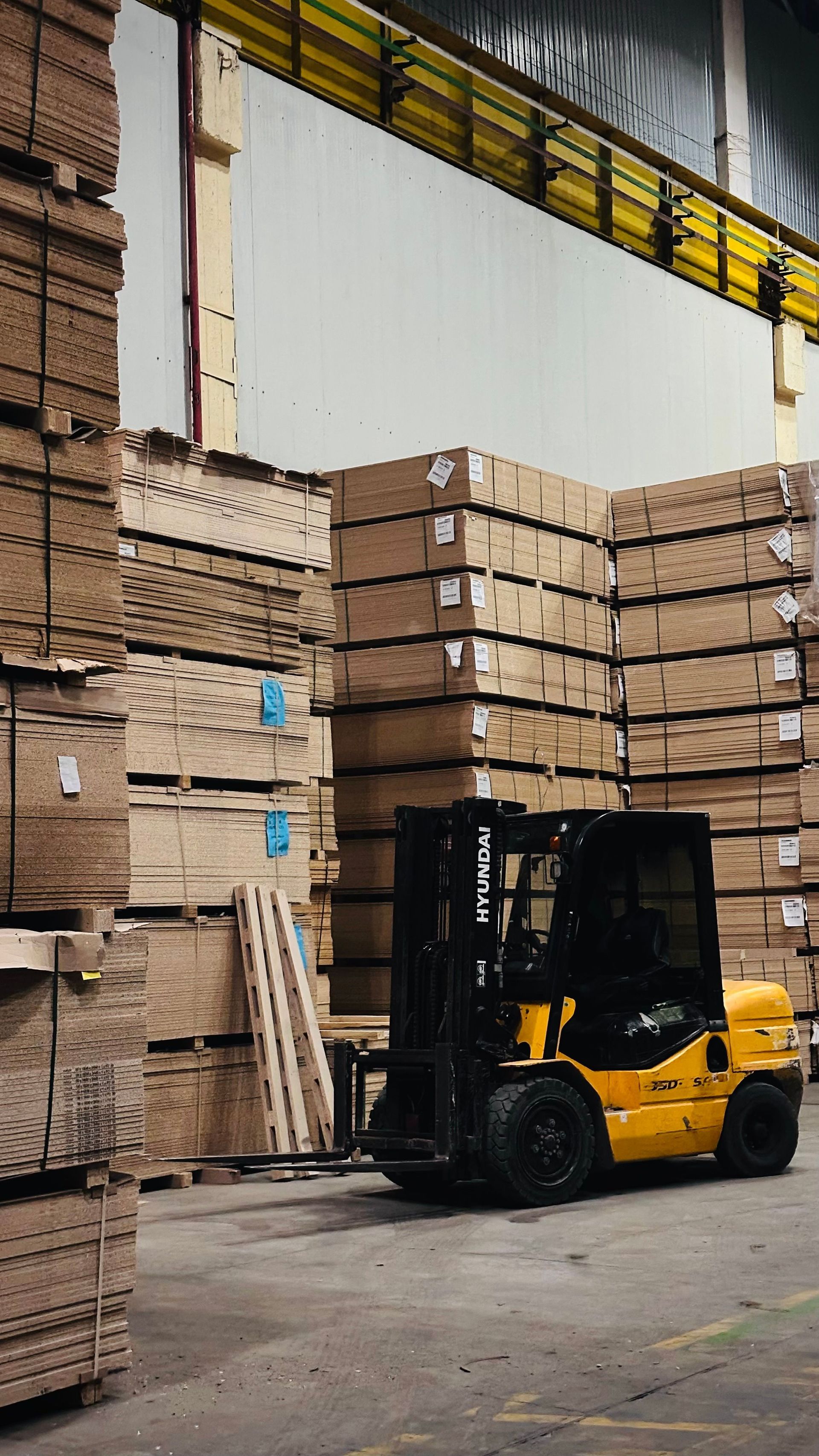
If you haul freight for a living in Texas, your truck and your liability policy get most of the attention — but the coverage that protects the load itself is just as important. Motor truck cargo insurance pays to repair or replace the freight you are hauling when it is damaged, destroyed, or stolen in a covered event. Get the limit wrong, and a single bad load can cost you a customer, a contract, or thousands of dollars out of your own pocket. Here is a plain-English guide to how much cargo coverage you actually need.
What Motor Truck Cargo Insurance Actually Covers
Cargo insurance protects the freight in your care, custody, and control while it is in transit. If a load is destroyed in a collision, catches fire, overturns, or gets stolen off your trailer, cargo coverage steps in to pay for the goods. It is a completely separate policy from the two other big trucking coverages: auto liability, which pays for injuries and property damage you cause to other people, and physical damage, which repairs your own truck and trailer. Cargo fills the gap those two leave wide open — the value of what is riding in the box.
Most policies cover the standard perils: collision, overturn, fire, theft, strikes, and acts of nature like Texas hail or flooding. What they cover and how much they pay depends heavily on your limit, your deductible, and the fine print.
How Much Cargo Coverage Do You Need?
The right limit is driven by the value of what you haul — specifically your worst-case load, not your average one. A produce hauler might average $40,000 a load but occasionally carry $120,000 of berries. If your limit is $50,000, that big load is dangerously underinsured. Here are typical starting points by freight type:
- Dry van / general freight: $100,000 is the industry standard, and most brokers require at least that much.
- Refrigerated (reefer): $100,000 to $250,000, because a single spoiled load of produce or pharmaceuticals can be a total loss.
- Auto hauling, machinery, and electronics: $250,000 or higher, often with scheduled limits per unit.
- Flatbed and building materials: $100,000 is common, but confirm your policy does not exclude improperly tarped or secured loads.
A good rule of thumb: your cargo limit should comfortably exceed the value of the most expensive single load you will ever carry. Overbuying wastes premium, but underbuying can end your business after one claim.
The Exclusions Are Where Claims Die
Cargo policies are full of exclusions that surprise owner-operators at the worst possible moment. Watch closely for these:
- Unattended vehicle theft: Many policies deny theft claims if the truck was left unlocked or unattended in an unsecured lot.
- Refrigeration breakdown: A standard policy often will not pay when a reefer unit malfunctions and spoils the load — you usually need a separate endorsement. We break this trap down in our guide to
reefer breakdown coverage and the Texas trucking insurance gap.
- Excluded commodities: Alcohol, tobacco, pharmaceuticals, electronics, and contraband are frequently limited or excluded unless specifically scheduled.
- Improper securement: If a load shifts or falls because it was not secured to FMCSA standards, the claim can be denied.
Reading these exclusions before you sign — not after a loss — is exactly the kind of thing an independent agent should walk you through.
What Brokers and Shippers Require in Texas
In practice, your cargo limit is often set for you by the brokers and shippers you work with. Most freight brokers will not tender a load until they have a certificate of insurance showing a cargo limit (commonly $100,000), naming them as certificate holder. High-value shippers may demand higher limits or commodity-specific endorsements. If your certificate does not match what the broker requires, you lose the load — so it pays to carry a limit that keeps you eligible for the freight you want to run.
Cargo Insurance Is Not the Same as the MCS-90
New authorities often confuse cargo coverage with the MCS-90 endorsement. They are not the same thing. The MCS-90 is a federal financial-responsibility endorsement that guarantees payment for public liability — bodily injury and property damage to others — not for the freight you are hauling. You need cargo insurance to protect the load itself. Confusing the two is a common and expensive mistake for owner-operators chasing their first contracts.
How Texas Owner-Operators Keep Cargo Costs Reasonable
Cargo premiums are shaped by your commodities, loss history, radius, and how well you secure and monitor freight. Clean claims records, telematics, secured overnight parking, and accurate commodity classification all help. If your trucking premiums have been climbing, our breakdown of
why trucking insurance is so expensive in 2026 explains the market forces behind the increases — and what actually moves your rate.
Common Cargo Insurance Questions From Texas Truckers
Does cargo insurance cover my own trailer? No. Cargo protects the freight inside; your trailer is covered by physical damage (or trailer interchange) coverage. They are separate limits.
What is a typical cargo deductible? Most Texas owner-operators carry a $1,000 to $2,500 cargo deductible. A higher deductible lowers your premium but means more out of pocket on a claim.
Do I need cargo insurance if the broker already has coverage? Yes. Broker or shipper contingent cargo coverage is designed to protect them, not you. As the motor carrier, you are contractually responsible for the load, so you need your own primary cargo policy.
Will hauling different commodities change my rate? Absolutely. Higher-theft and higher-spoilage commodities cost more to insure, and some require added endorsements before a broker will tender the load.
Get the Right Cargo Limit — Talk to TAP Insurance Agency
Cargo insurance is one of those coverages where a little expert guidance saves real money and real headaches. As an independent agency based in North Texas, TAP Insurance Agency shops multiple carriers to match your limit, deductible, and endorsements to the freight you actually run — whether you are a single owner-operator or a growing fleet. For a full picture of how cargo fits alongside liability and physical damage, see our overview of
commercial trucking insurance in Texas.
Ready to make sure your loads are properly covered? Call or text us at (800) 666-2254 or visit tapinsuretx.com for a free, no-pressure quote.