North Texas summers don't sneak up on anyone — by mid-July, DFW is usually deep into a run of 100-plus-degree days that will stretch on for weeks. Most homeowners think about extreme heat as a comfort problem and an electric bill problem. What fewer people think about is that sustained extreme heat causes real, physical damage to a home — and not all of it is covered the way people assume.
The AC system: covered for some failures, not others
Your homeowners policy generally covers your air conditioning system for
sudden and accidental damage — a lightning strike that fries the unit, a fire, a covered water event, vandalism, or theft of the outdoor condenser (unfortunately common). What it typically does
not cover is ordinary mechanical breakdown from age, wear, or the simple strain of running nonstop through a brutal Texas summer. A compressor that finally gives out after 14 years of July duty is a maintenance issue, not a covered peril, in most standard policies.
This is exactly the gap that an equipment breakdown endorsement is built to close. For a relatively small additional premium, this endorsement covers mechanical and electrical failure of major home systems — AC compressors, the electrical panel, water heaters — that a standard policy excludes outright. If your AC system is aging and you're heading into peak cooling season, this is one of the more practical, inexpensive add-ons available.
Roof damage you might not connect to heat
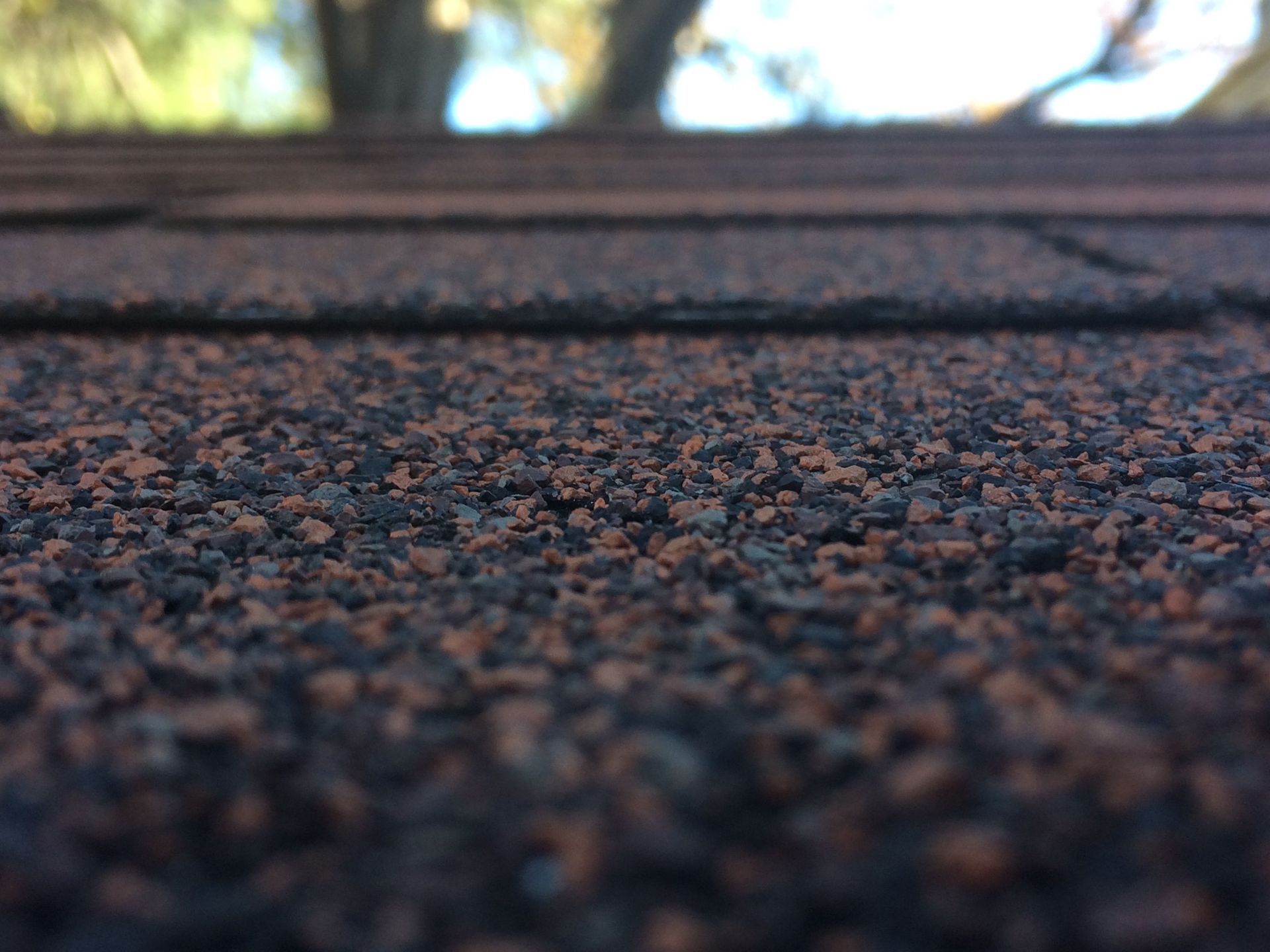
Extreme heat accelerates roof aging in ways that aren't always obvious. Asphalt shingles can blister, curl, or crack under sustained high temperatures, especially on older roofs or roofs with dark shingle colors that absorb more heat. This kind of gradual heat-related deterioration is typically treated as
wear and tear, which standard policies exclude — very different from a hailstorm or wind event, which is a sudden covered peril.
The practical implication: if your roof is already older and showing heat damage, a carrier may flag it at renewal, apply an actual-cash-value roof settlement schedule instead of full replacement cost, or in some cases decline to renew altogether. Getting ahead of visible heat damage with a roof inspection before it becomes a renewal problem is worth the effort, especially heading into the fall renewal season for many Texas homeowners policies.
Foundation movement — the slow, expensive one
Texas clay soil expands and contracts dramatically with moisture changes, and a prolonged hot, dry stretch pulls moisture out of the ground around your foundation, causing the soil to shrink. That shrinkage is one of the leading causes of foundation cracking and settlement in North Texas homes. Foundation damage from soil movement due to drought or heat is almost universally
excluded from standard homeowners policies — it's treated as an earth movement or settling exclusion, not a covered peril, regardless of how directly the heat caused it.
The practical defense here isn't insurance — it's maintenance. A consistent watering schedule around your foundation's perimeter during extended dry, hot stretches genuinely helps prevent the soil-shrinkage cracking that later becomes an expensive, uninsured repair.
What extreme heat does cover: fire risk
One area where extreme heat directly increases your exposure to a covered peril is fire — both wildfire risk in drought conditions across parts of North and Central Texas, and the more mundane risk of electrical fires from overtaxed AC systems and electrical panels running at their limits during peak demand. Fire damage, including wildfire, is a standard covered peril on virtually every Texas homeowners policy, so this is one place where extreme heat's downstream risk and your existing coverage line up cleanly.
What to do heading into peak summer
Have your AC system serviced before it fails rather than after — a documented maintenance history also helps if you ever need to dispute a claim decision. Consider the equipment breakdown endorsement if your system is aging. Get a roof inspection if it's been more than a few years, especially before fall renewal. And keep your foundation's soil moisture consistent during the driest stretches — cheap insurance against an expensive, uninsured problem.
For the broader picture on what a Texas homeowners policy does and doesn't cover around weather events generally, our guide on
flood insurance in Texas covers a different but related gap — water damage from outside the home versus the heat-driven issues above — and our
hail deductible guide explains the separate deductible structure that applies once storm season follows the heat.
Where an independent agent helps
Every carrier handles equipment breakdown endorsements, roof settlement schedules, and renewal underwriting a little differently. As an independent agency, TAP Insurance Agency can review your current policy, tell you plainly where your heat-related gaps actually are, and shop alternatives if your current carrier is getting stingy about aging roofs or systems. Start with our
home insurance page or call us directly.
If it's been more than a year since anyone looked at your policy's equipment breakdown coverage or your roof's condition, this stretch of the summer — before the AC finally gives out — is the right time. Call (800) 666-2254 or text QUOTE to (817) 646-6700.
Educational only; coverage for AC systems, roofs, and foundation issues varies by carrier, endorsement, and policy language. TAP Insurance Agency, PLLC — Rhome, TX. Licensed in Texas and Oklahoma.
— TAP Insurance Agency · Call (800) 666-2254