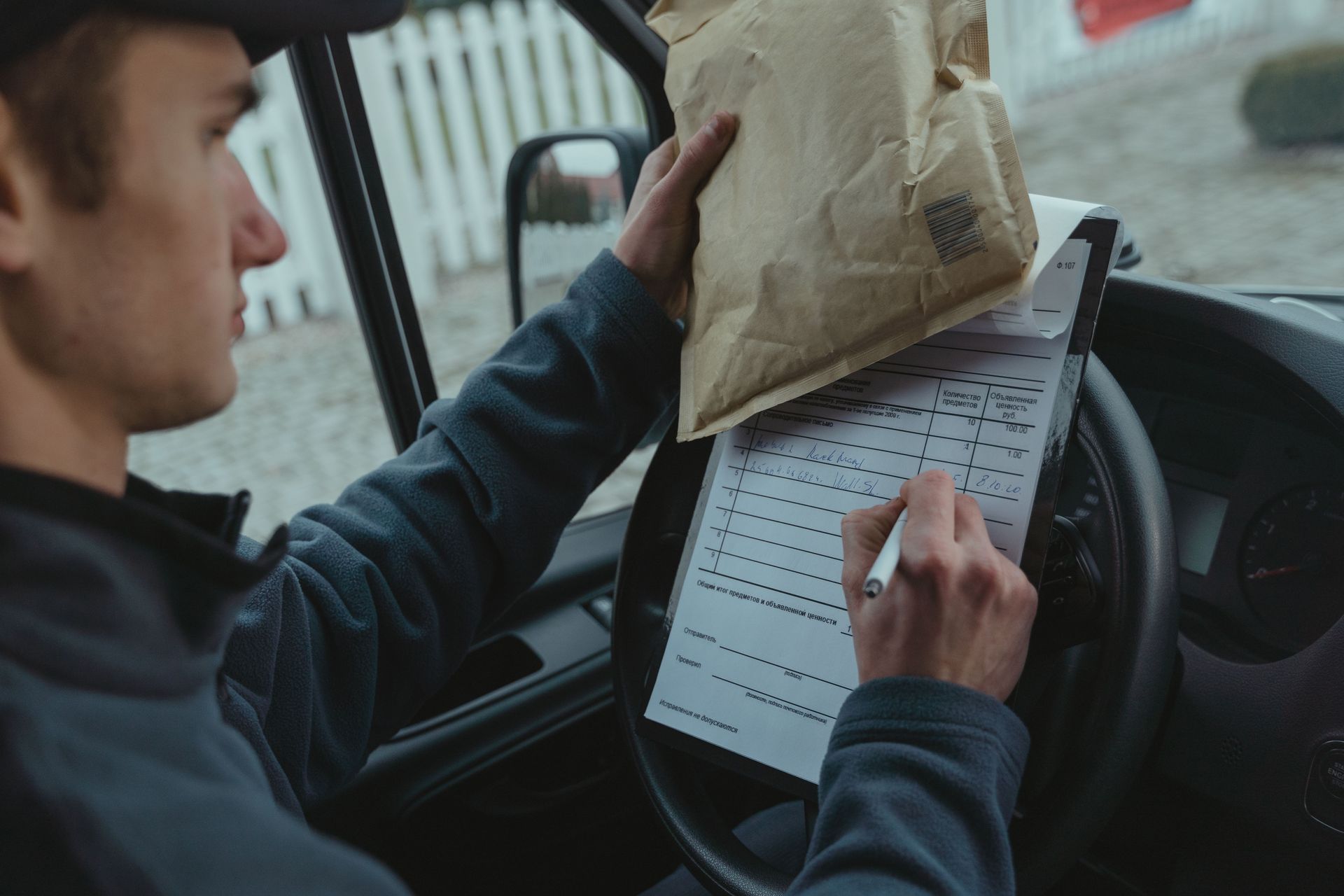
Picture a three-truck carrier out of North Texas that picks up a trailer of small appliances headed for a retail distribution center. Partway through the trip the dispatcher gets an email that looks like it came from the shipper. The receiving dock has changed, here is the new address, same appointment time. The driver delivers, someone at that address signs the paperwork, and two days later the real receiver asks where its freight is.
So who pays? In many cases the cargo policy does not treat this as theft, because the driver handed the freight over willingly to someone who lied. Many policies exclude losses caused by that kind of fraud, usually under language about the voluntary surrender of possession, unless a fraud or fictitious delivery endorsement is on the policy. Wording varies by carrier, and the difference is easy to miss until a claim is denied.
This is one of the quieter gaps inside
commercial trucking insurance in Texas, where cargo is just one of several coverages that each answer a different question. Here is how the gap works and how to shrink it before the holiday freight rush.
Theft and fraud are different words to an insurer
Theft, in policy language, generally means property taken without the owner's consent. A hijacked trailer, a cut lock and a stolen tractor with the trailer attached all fit. Your cargo coverage is built for those losses, subject to its conditions.
Fraud works the other way. The thief does not take the freight, they persuade you to give it to them. Because someone with authority, your driver, chose to release the load, an insurer can argue the loss falls under a voluntary parting exclusion, which removes coverage for property surrendered because of a false pretense or trick. The driver's good faith does not change that wording.
Your responsibility to the shipper does not disappear either. Federal rules for interstate freight generally make the carrier answer to the shipper for freight it accepted, so confirm how that applies to your loads. That is how a fraud loss can land on a carrier twice, first as a claim from the shipper and then as a denial from the insurer.
Two ways fraud reaches a small carrier
The fake consignee. This is the scenario above: changed delivery instructions, a look-alike email domain, a rush request that arrives late in the day. The goal is to get a real driver to deliver to the wrong place.
The borrowed identity. Someone uses a legitimate carrier's name and authority details to claim a load at a shipper's dock, then vanishes. The carrier whose identity was used never touched the freight but can still take the angry phone call, and the open question becomes whether any coverage applies when you never had custody. Report it to the shipper and to law enforcement quickly, and call your agent the same day.
What to look for in the cargo form
Read the cargo policy for three phrases: voluntary parting, fraudulent scheme or false pretense, and fictitious pickup or delivery. If the exclusion is there, ask whether an endorsement buys some of that coverage back and at what limit. These fraud buy-backs are often sublimits, which means the fraud limit can sit well below the limit that applies to a stolen trailer.
Then compare any fraud sublimit with the value of the most valuable load you haul. A sublimit that pays a fraction of a full trailer of appliances or electronics still leaves the carrier holding the rest, and the shipper will want the full amount from you.
Check the conditions that travel with theft claims too. Many cargo forms restrict theft from an unattended vehicle, require locks or other security measures and exclude certain high-theft commodities. A loaded trailer left in an open lot over a weekend can run into more than one condition at once.
The trailer under the load is a separate question. Coverage for a trailer you pull but do not own, explained in our post on
trailer interchange and non-owned trailer coverage, pays for the trailer and never for the freight inside it. Cargo coverage is the only piece aimed at the freight.
Habits that make the scam harder
Verify through a number you already trust. When a delivery address changes, call the shipper at the phone number in your own records or on the original rate confirmation, never at a number in the email that announced the change.
Treat late changes as a warning sign. A new address, a new contact or a request to deliver early or after hours is exactly how this fraud is built. Slow the load down until someone you already know confirms it.
Match the paperwork. Reference numbers, pickup numbers and the receiving contact should match the original documents. Have the driver photograph the delivery location, the person signing and the signed paperwork.
Give drivers permission to stop. A driver who can say that he needs to confirm a change with dispatch, without a penalty, is the cheapest security system you will ever have.
Why the holiday rush raises the stakes
Freight volume in Texas builds through the weeks before Thanksgiving and Christmas, and the busiest stretch starts around mid-November. Rush loads, new shippers, temporary brokers and tired dispatchers are exactly the conditions fraud depends on, and a late-day request to change a delivery looks ordinary when everyone is behind.
That makes late October a good time to read the cargo form, add fraud wording to your dispatch checklist and decide who is allowed to approve a change. It costs an afternoon, compared with a denied claim in December.
If it happens to you
Call the shipper or broker right away, file a police report and notify your insurance company promptly, since cargo policies set claim-reporting deadlines. Keep every email, text and document in its original form, and avoid admitting fault or promising payment until you have spoken with your agent and the insurer.
As an independent agency that works with multiple trucking markets, TAP Insurance Agency can read your cargo form with you, flag the fraud and unattended-vehicle language and tell you whether a buy-back is available. When you are ready, you can
request a trucking quote and we will start from the freight you actually haul.
Call
(800) 666-2254 — or text
QUOTE to
(817) 646-6700 · tapinsuretx.com
Educational only; coverages and availability vary by carrier. TAP Insurance Agency, PLLC — Rhome, TX, licensed in Texas and Oklahoma.