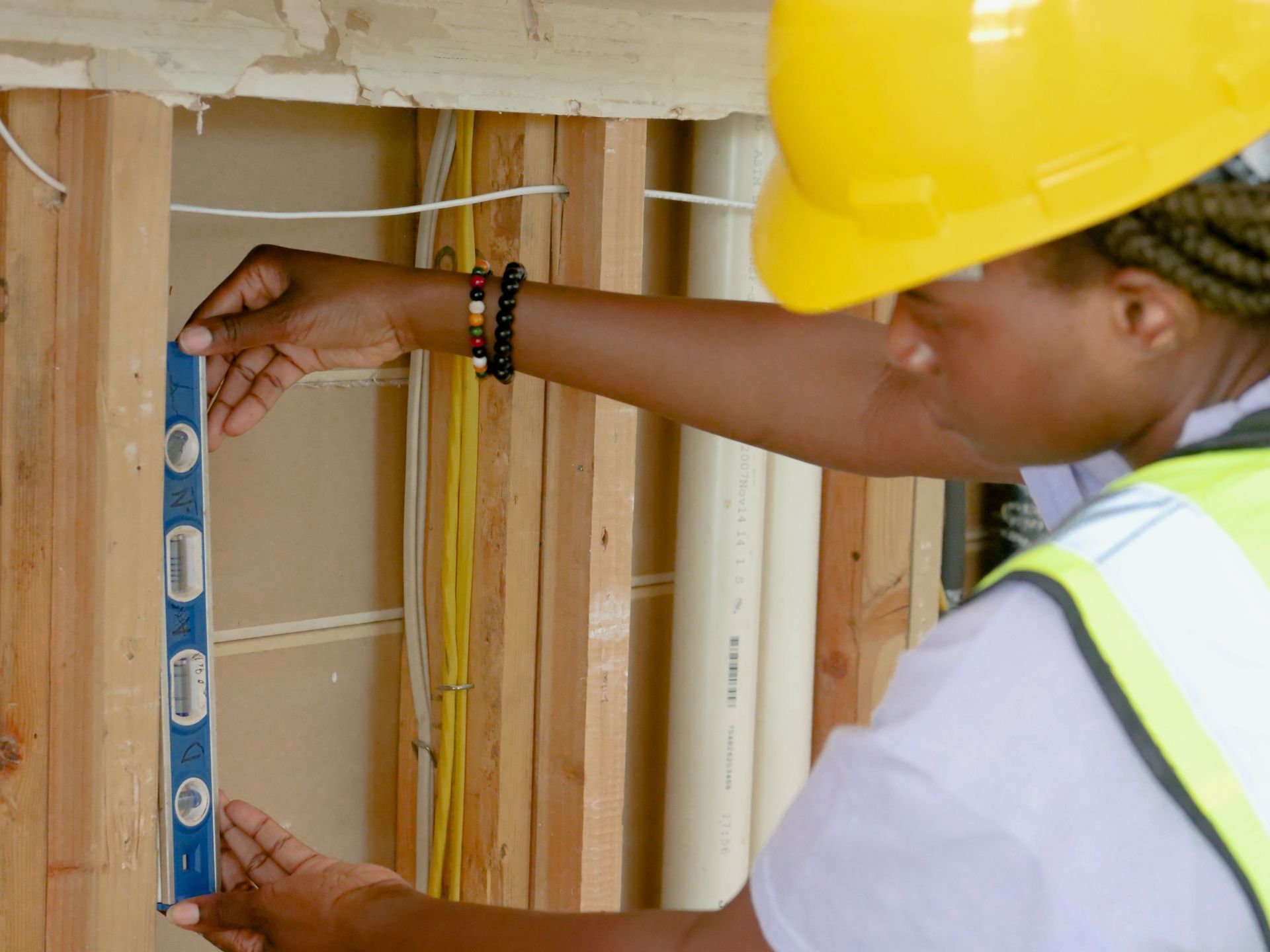
Picture the owner of a 1970s strip center in a Texas city. A kitchen fire in one tenant space spreads through the attic, and the adjuster agrees that repairs will take a large share of the building. When the owner applies for permits, the city says the repaired building must meet today's rules: a sprinkler system, accessible restrooms, updated electrical and a roof structure that meets current requirements. The estimate for putting the building back as it was includes none of that.
A standard commercial property policy pays to repair or replace the damaged building with materials of like kind and quality, and it generally excludes the extra cost of complying with building laws. Ordinance or law coverage is the endorsement that adds money for those costs. It usually works in three parts: the value of the undamaged part of the building the city makes you tear down, the cost of demolition, and the increased cost of construction to meet current code. Forms and limits vary by carrier.
The delay matters as much as the cost. Permits, plans and inspections add months, and every month the doors stay closed is lost income, a problem we covered in our post on how business income coverage pays during a shutdown. Keep both questions in mind as you read your policy.
Why a code upgrade shows up after a loss
Building codes apply to new construction and major work, so an older building can sit for decades under the rules it was built to. A significant loss changes that. Many local governments use a damage threshold, often measured against the building's value, above which the repaired building must comply with the current code, and parts you never touched can be pulled into it.
Texas leaves most building codes to cities and some counties, with accessibility rules running on their own track, so the answer depends on exactly where your building sits. Ask the local building department what applies before you assume, and ask it what damage level triggers full compliance.
Floodplains add another trigger. A building in a mapped floodplain can face substantial damage rules that require elevation or flood protection once repairs pass a threshold, and ordinary property coverage does not pay for flood damage in the first place.
The three parts of ordinance or law coverage
Loss to the undamaged part of the building. If the code requires tearing down what the fire did not hurt, this part pays for the value of the portion that comes down.
Demolition cost. This part pays to tear down and clear the damaged and undamaged portions the law requires you to remove.
Increased cost of construction. This part pays the extra cost of rebuilding to current code, such as the sprinkler system, structural upgrades or a new fire separation between tenant spaces.
Policies sell these parts together or separately, often with separate limits, and many forms include a small built-in allowance for the third part that falls far short of a major upgrade. If you own several older buildings, such as the properties in our post on insuring a Texas rental portfolio, check each one on the schedule, because a single default limit rarely fits buildings of different ages.
How a code upgrade claim plays out
The adjuster first writes an estimate to repair the damage as it was. Then the contractor pulls permits, the city reviews the plans, and the code requirements appear. The contractor sends the insurer a supplement for the added work, and the insurer pays what the policy allows. Anything beyond the endorsement's limit is the owner's bill, often arriving in the middle of the rebuild.
That sequence is why the endorsement should be in place before the loss. Adding it afterward is not an option, and the supplement conversation goes much better when the limits were sized against a realistic upgrade list instead of a guess.
Where owners get surprised
Zoning. A building that is a legal nonconforming use, meaning it is allowed because it predates the current zoning rules, can lose that status after a major loss. Rebuilding may then require a variance or a smaller footprint, and a policy limit calculated on the old building does not solve that on its own.
Shared limits. Some endorsements place the ordinance or law limit inside the building limit, so money spent on code upgrades reduces what is left for repairs. A separate additional limit is a different thing, so read how yours is written.
Underinsured buildings. If the building is insured for less than it would cost to replace, the code costs sit on top of a shortfall that was already there, and the two problems compound.
What the endorsement does not do
It does not pay for upgrades you choose to make, or for code violations that existed before the loss and had nothing to do with it, such as a citation already on file. It also does not stretch the limits of the rest of the policy. Hazardous material is another common edge. The cost of removing asbestos or other pollutants found during demolition is usually handled by separate, limited coverage or excluded, so ask how your form treats it if your building is older.
Questions for your agent before renewal
Is it on the policy, and for which parts? Look for ordinance or law on the declarations page, with a limit listed for each of the three parts.
Does business income follow the delay? Ask whether the restoration period stretches when permits and code review slow the work, since some forms do not extend it.
What would trigger it for this building? Ask your local building department what damage threshold applies where the building sits, and what a rebuild would have to include.
TAP Insurance Agency is an independent agency, so we can read your property form with you, compare ordinance or law options across carriers and price the endorsement against the rest of your program. When you want numbers, you can request a commercial property quote
and bring the building's age and construction details.
Call (800) 666-2254 — or text
QUOTE to
(817) 646-6700 · tapinsuretx.com
Educational only; coverages and availability vary by carrier. TAP Insurance Agency, PLLC — Rhome, TX, licensed in Texas and Oklahoma.