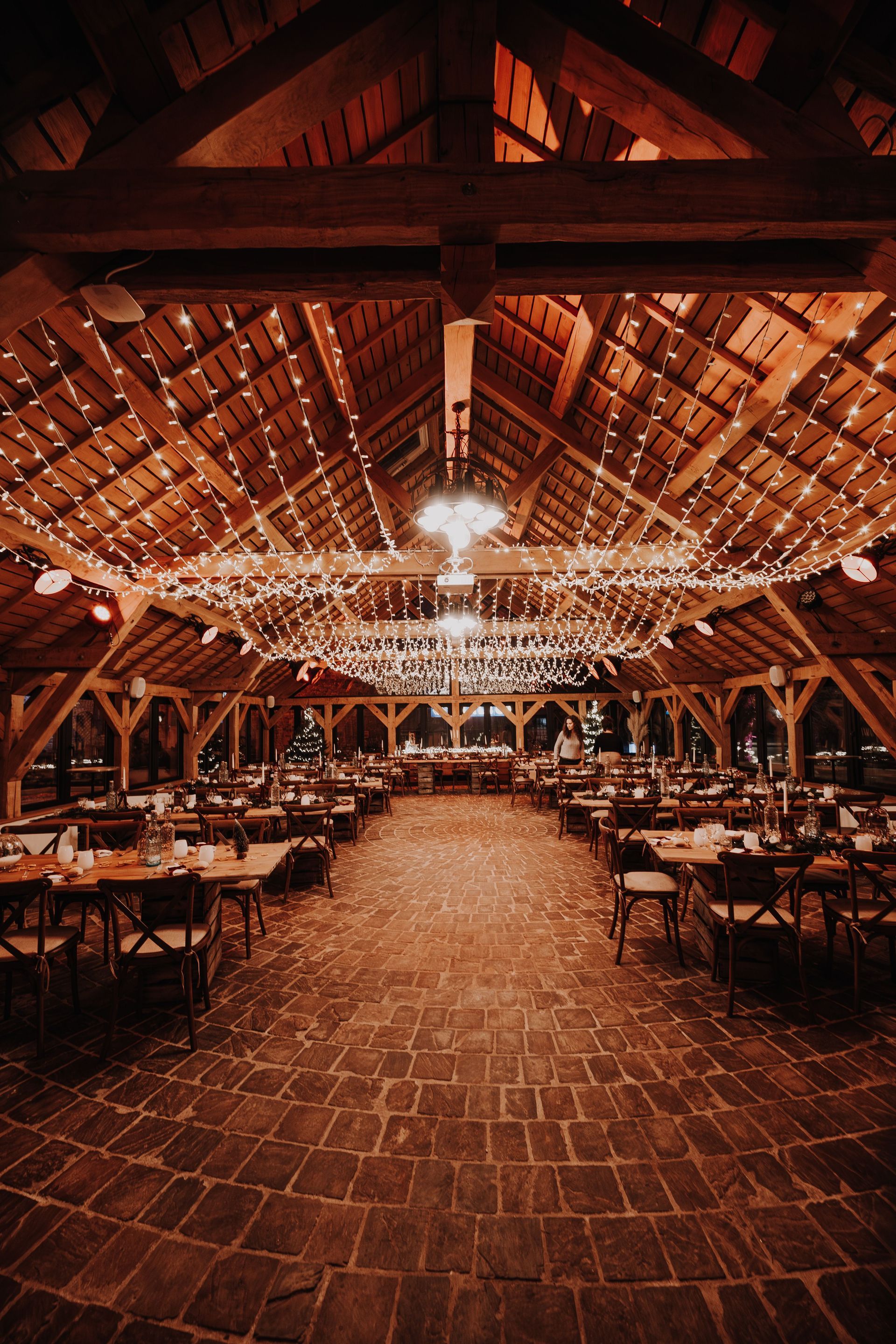
Say the owner of a twelve-person Texas shop rents a back room for the company holiday party, hires a bartender and tells everyone the first two rounds are on the company. A little after midnight an employee drives home, runs a stop sign and hurts someone in the other car. By Monday the owner is no longer thinking about the party. The question is who is responsible, and which policy answers.
The short answer depends on what kind of business you are. A business that hosts alcohol occasionally, and does not make, sell or serve it as a trade, generally gets host liquor liability within its commercial general liability policy. A business that sells or serves alcohol needs its own liquor liability coverage, because general liability excludes that exposure for businesses in the alcohol trade. Hiring a caterer or bartender changes who carries the risk. Terms vary by carrier.
The same lesson shows up in our post on
event liability for a booster club on game night: general liability follows the activity, and every special activity has to be named and checked rather than assumed. Alcohol is the activity most likely to be excluded or limited.
Texas puts responsibility on the person serving
Texas has a Dram Shop Act, found in Chapter 2 of the Alcoholic Beverage Code, that can make a licensed seller or server answer for injuries when it serves someone who was obviously intoxicated and presented a clear danger to themselves or others. The state also has separate rules about providing alcohol to minors. Whether and how those rules reach a party you host without a liquor license is a question for an attorney, but the claim still has to be defended, and defense is the first thing liability insurance pays for.
Claims in this area tend to turn on what the host did before the accident, such as whether drinks were pushed, whether service continued after signs of impairment and whether anyone stepped in. All of that is within the host's control, which is why prevention matters as much as the policy.
Three kinds of business, three answers
You host occasionally. A holiday party, customer appreciation day or ribbon cutting where you provide drinks but do not sell them. Standard general liability usually includes host liquor liability for this, though some policies restrict it or attach conditions, so verify rather than assume.
You sell or serve alcohol. Restaurants, bars, breweries, event barns with a bar and caterers who pour all fall here. The general liability policy excludes liquor liability for businesses in the liquor trade, so a separate liquor liability policy or endorsement is needed, and many liquor licenses and leases require it.
You rent space where guests bring or hire alcohol. A Texas event barn or hall that does not sell drinks still faces the exposure when a wedding guest leaves intoxicated. Venues commonly require the host or the bartender to carry liquor liability and to name the venue as an additional insured.
If you hire a bartender or caterer
A hired bartender can move some of the risk off you, but only if the paperwork is right. Ask for a certificate showing their liquor liability coverage, ask to be named as an additional insured and confirm they hold the permits their service requires.
If you sell drinks, even through a ticket price or a cash bar, the licensing picture generally changes, so check with the Alcoholic Beverage Commission before the event and not after. For a single occasion,
one-day event insurance can add liquor coverage that your ordinary policy does not provide.
What a liquor liability policy usually pays
It generally pays to defend a claim and to pay covered bodily injury or property damage that results from serving or furnishing alcohol, up to the limit. Policies often add sublimits or exclusions for assault and battery, which matters at venues where fights happen, and they exclude injuries to your own employees, because those belong to workers' compensation.
Liquor policies are priced around how you operate: how much of your sales is alcohol, how late you serve, whether staff hold Texas Alcoholic Beverage Commission seller-server certification and what your loss history looks like. Be ready to describe your service practices in detail, and keep training records on file.
Limits are chosen around how many people can be in the room and what a serious injury claim could cost. Some policies also apply only at listed locations, so a party held offsite may need to be reported or endorsed ahead of time.
The employee side of the party
General liability does not respond when your own employee is hurt. If someone is injured on the way to or from the party, workers' compensation may or may not apply, depending on whether attendance was voluntary and whether the employer treated the event as work. That is a fact-specific question, so raise it with your agent before the party, particularly if you do not carry workers' comp.
A practical plan before the party
Read your general liability form. Look for a liquor liability exclusion and see whether it applies to your business. If you are not in the alcohol trade, host coverage should read as included.
Control the pour. Use drink tickets, a hired bartender who checks IDs and stops service when a guest is impaired, and plenty of food. Close the bar well before the party ends.
Check the guest list. Spouses, clients and family members change who is in the room. Anyone under twenty-one is a separate legal issue, so decide in advance that they are not served and make that rule visible.
Plan the ride home. Arrange rideshare credits or a hotel block and make it easy for anyone to say yes. Most of the risk in this post disappears when nobody drives impaired.
Document what you did. Keep the bartender's certificate, the service plan and the ride arrangements. If a claim comes, that record shows the business took the exposure seriously.
If you are not sure which of the three kinds of business you are, bring us the policy before the party. TAP Insurance Agency is an independent agency that can compare liquor liability options across carriers, and we can look over
the rest of your business coverage at the same time.
Call
(800) 666-2254 — or text
QUOTE to
(817) 646-6700 · tapinsuretx.com
Educational only; coverages and availability vary by carrier. TAP Insurance Agency, PLLC — Rhome, TX, licensed in Texas and Oklahoma.