Picture a small barbecue restaurant near Bridgeport. Friday at four o'clock, the compressor on the walk-in cooler quits. By the time the technician arrives, the brisket, the sausage, the dairy and the produce for the weekend are sitting at room temperature. The owner assumes her property insurance will cover it, since the policy is supposed to protect the building and the equipment. Then the adjuster reads the exclusions.
Here is the answer in one sentence. Equipment breakdown coverage pays for sudden mechanical or electrical failure of covered equipment, which a standard commercial property policy generally excludes as a cause of loss. It is usually added as an endorsement or included in a small-business package policy, and it can extend to the food that spoiled and the income lost while the equipment was down.
Why the standard property policy skips it
A basic commercial property form lists the causes of loss it covers, such as fire, wind, hail and theft. Mechanical breakdown, wear and tear, and electrical failure from within the equipment are typically excluded. The logic is that a machine that quits is a maintenance problem, and the policy is built to pay for outside events.
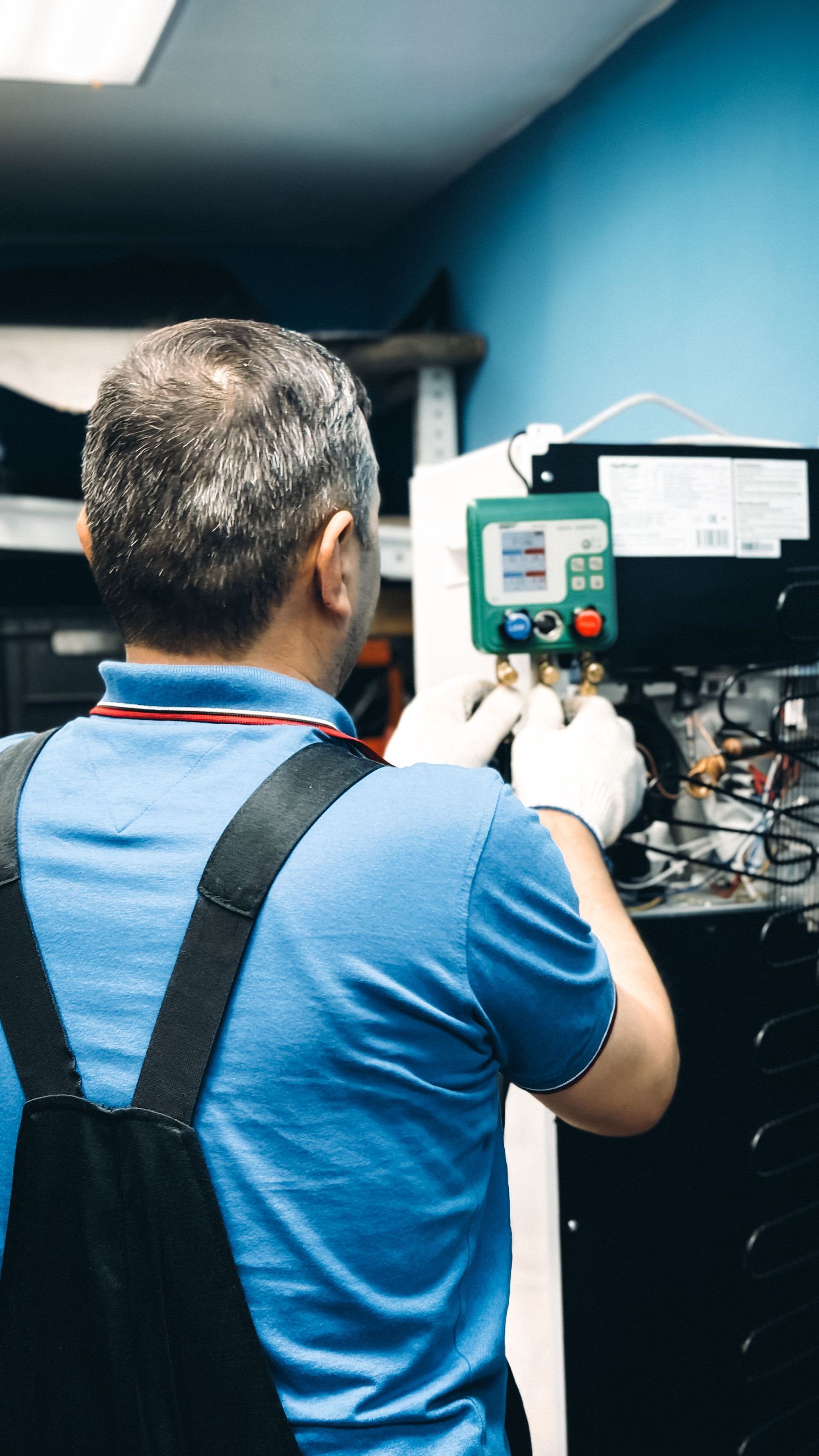
That leaves a real gap for anyone whose business depends on machines. An HVAC unit, a refrigeration compressor, an electrical panel, a commercial oven, a dental compressor, a server, or a water pump can all fail suddenly with no fire and no storm involved.
What the coverage can pay for
Repair or replacement of the equipment. Coverage responds to a sudden and accidental breakdown, such as a burned-out motor, an electrical arc, or a pressure vessel failure, and pays to repair or replace the covered unit, subject to the limit and the deductible.
Income and extra expense. If a breakdown shuts you down or slows you, the policy may pay for lost income and for the added cost of renting temporary equipment to stay open. That piece works like the time-element coverage we explained in our post on
business income coverage.
Spoilage. For food and other perishables, many policies add a spoilage coverage, often with its own limit, that pays for stock lost when refrigeration fails. The cause of the failure usually has to be one the policy covers, which is why spoilage and breakdown are often bought together.
Off-premises utility problems. A power surge from the grid, or an outage at the utility, is a different trigger from a machine failing on its own. Some policies add utility services coverage for it. Ask whether yours does, and whether it covers spoilage.
What it does not pay for
This is not a maintenance plan. Normal wear and tear, gradual deterioration, corrosion, and problems that come from ignoring service are generally excluded, which means an old unit with skipped service calls may be a hard claim. The coverage is for the sudden failure, not the slow one.
It also does not replace a warranty or a service contract. Those cover repair of the machine. Breakdown coverage is about the loss around it, including the spoiled inventory and the closed doors.
Which businesses should look at it
Restaurants, grocers, and convenience stores with refrigerated cases come first. Medical and dental offices, salons and gyms with heavy HVAC and electrical loads follow. So do shops with air compressors, welders, or specialty machines, and any business that keeps a server closet running the whole office.
The Texas summer makes this more than theory. When a rooftop unit fails in July, the loss is not just the unit, it is the days a customer will not walk into a hot store.
Business owners are often surprised because the equipment is expensive and obviously part of the business. A property policy insures it against listed perils, though, not against the ordinary risk that a motor burns out. Ask the question before the failure: is sudden mechanical and electrical breakdown covered on my policy, or only fire, wind and theft?
How it usually gets added
In many cases the coverage is an optional part of a
business owner's policy, which packages property and liability for small businesses, and can be added to a standalone property policy as an endorsement. Carriers differ in how they define breakdown, how they treat spoilage limits, and what equipment they will schedule.
What a claim actually looks like
When the cooler quits, call your carrier and the technician on the same day. Expect the carrier to want to confirm the failure was sudden, and it may send an inspector. Keep the failed part if you can, since it is evidence of what broke. Photograph the spoiled stock, make a list of what was lost with approximate values, and keep the temperature logs that show when the unit went down.
Move perishables into rented or borrowed refrigeration as quickly as you can, and keep those receipts. Mitigating the loss is generally expected under the policy, and the added cost may be reimbursed as extra expense.
Deductibles, waiting periods, and what to bring
Equipment breakdown usually carries its own deductible, which can be a set dollar amount or, for the time-element part, a waiting period measured in hours or days. A short outage may fall entirely inside the waiting period, which is worth knowing before you buy. Spoilage often has a separate limit, so a large stock of inventory can exceed it.
These details differ by carrier, and they are where two policies that look alike on paper behave very differently in a loss. That is the reason to compare them side by side rather than take the first quote.
Bring a list of your critical equipment, with age and approximate replacement cost, when you ask for a quote. Ask specifically about spoilage limits, time-element coverage, and utility services. A five-minute conversation now is cheaper than reading exclusions on a Friday afternoon.
If you would like to compare how different carriers handle this, start a
business insurance conversation with an independent agency that can shop more than one market for your operation.
Call
(800) 666-2254 — or text
QUOTE to
(817) 646-6700 · tapinsuretx.com
Educational only; coverages and availability vary by carrier. TAP Insurance Agency, PLLC — Rhome, TX, licensed in Texas and Oklahoma.