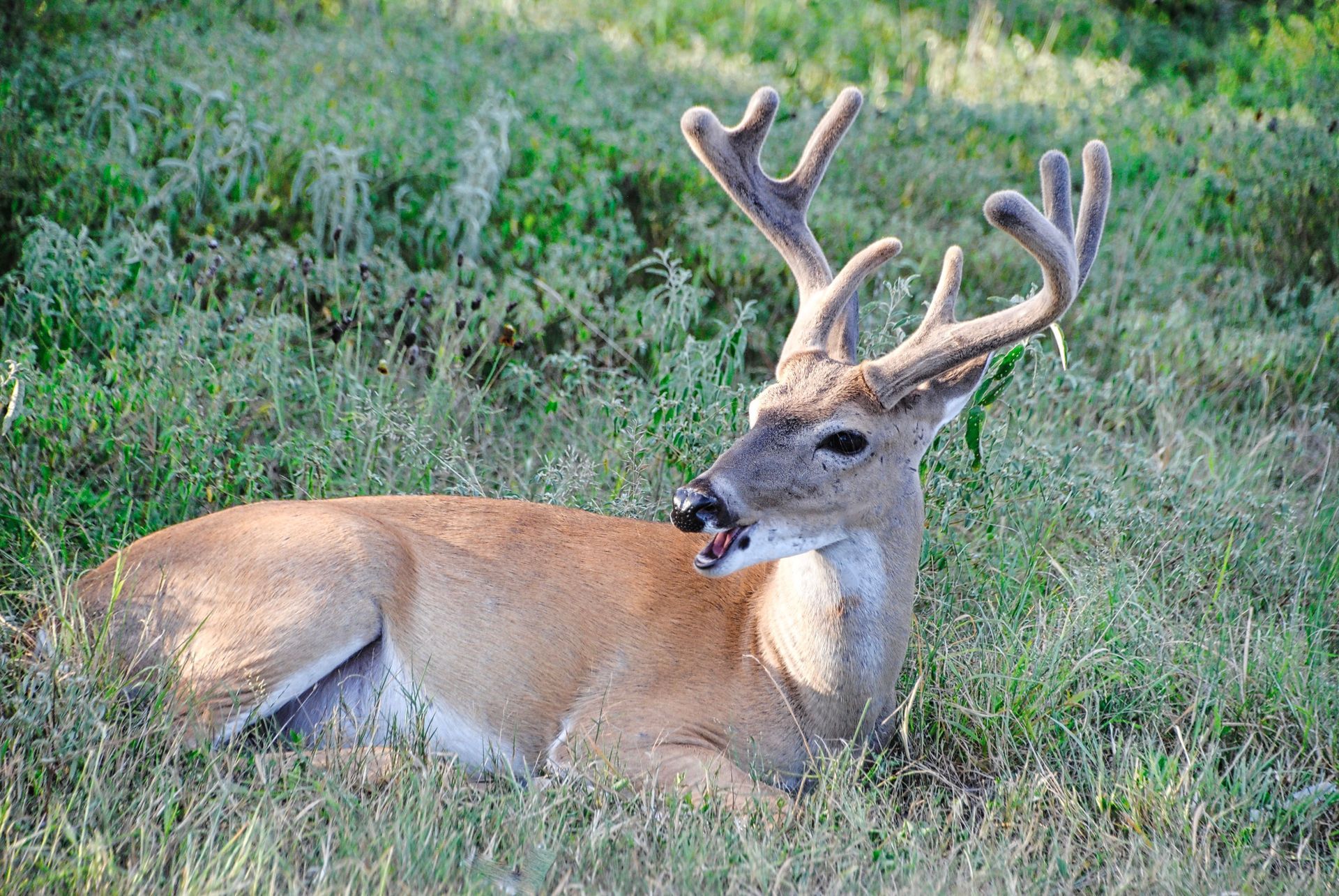
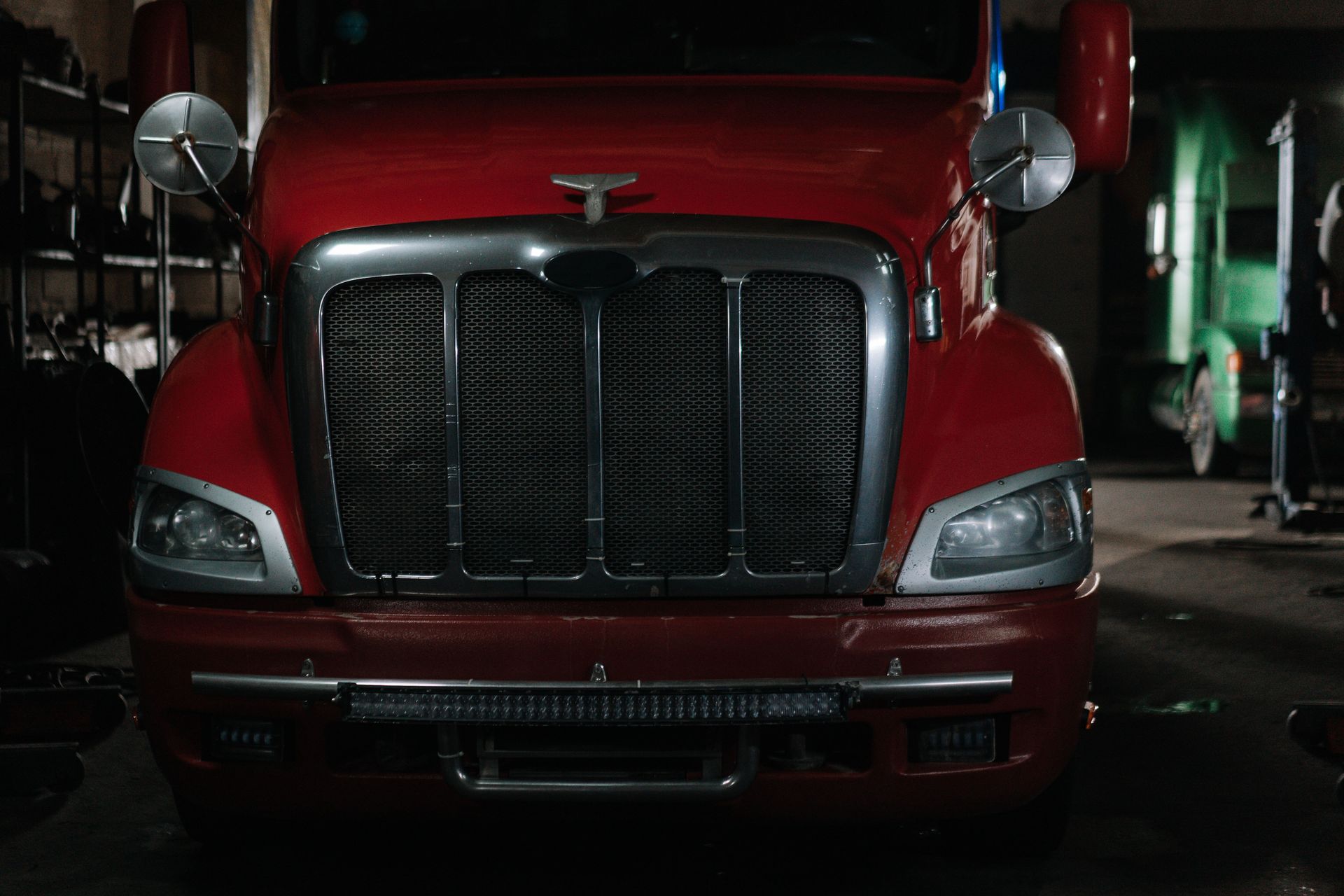
Wade was headed home on FM 730 north of Boyd right at dusk when a buck stepped out of the ditch line. He did what most of us would do — hit the brakes, stayed in his lane, and took the hit. The grille and hood were a mess, and his first assumption was wrong: this is not a collision claim.
Hitting a deer in Texas is typically a comprehensive claim, not a collision claim, since comprehensive covers losses other than a collision with another vehicle or object. Swerving instead and hitting a fence, a ditch, or another car turns it into a collision claim instead.
Comprehensive, not collision
When your vehicle hits an animal, that's a comprehensive claim — the part of your auto policy that covers "other than collision" losses like fire, theft, hail, falling objects, and yes, animal strikes. It sits alongside collision coverage, which pays for damage from hitting another vehicle or object, but the two are rated and triggered differently. Wade's grille, hood, and headlight damage from the deer itself falls squarely under comprehensive.
Comprehensive coverage. Pays for "other than collision" losses like fire, theft, hail, falling objects, and animal strikes, the claim type a deer strike falls under.
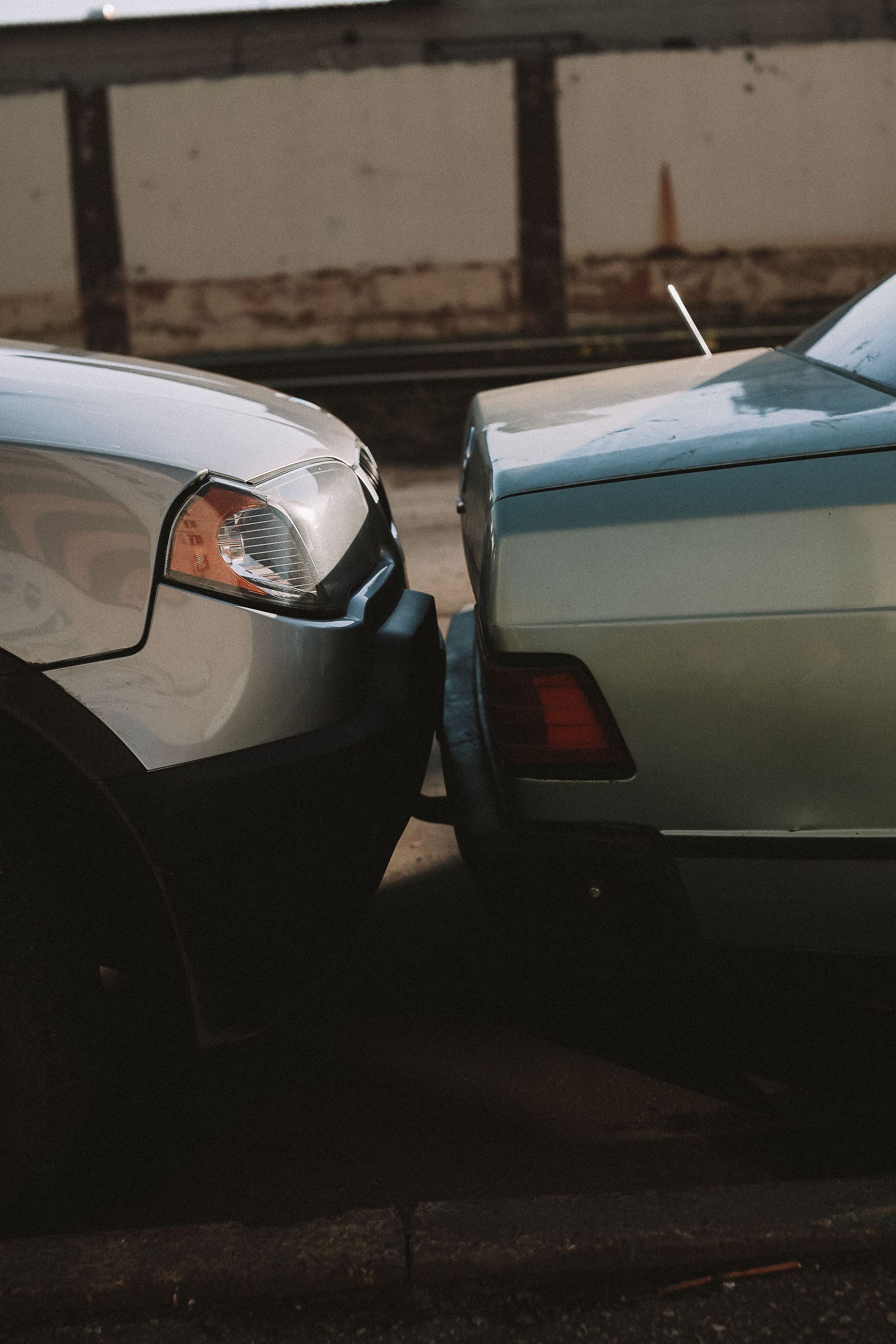
Collision coverage. Pays for damage from hitting another vehicle or a fixed object, including a fence or ditch you hit while swerving to avoid the deer.
Stretches like FM 730 are typical of the farm-to-market grid connecting Rhome, Boyd, Bridgeport, and Decatur
— long two-lane roads bordered by pasture and tree lines, exactly the terrain deer use to cross. A lot of drivers assume any car-versus-something-hard event on those roads is automatically a collision claim. It isn't, and knowing the difference ahead of time saves a confusing conversation with the claims adjuster later.
Comprehensive coverage on most policies also handles things like a cracked windshield from road debris or a hailstorm that pockmarks the hood — animal strikes are just one line item in a broader category, but out here they're consistently one of the most common reasons that category gets used.
The swerve is the expensive part
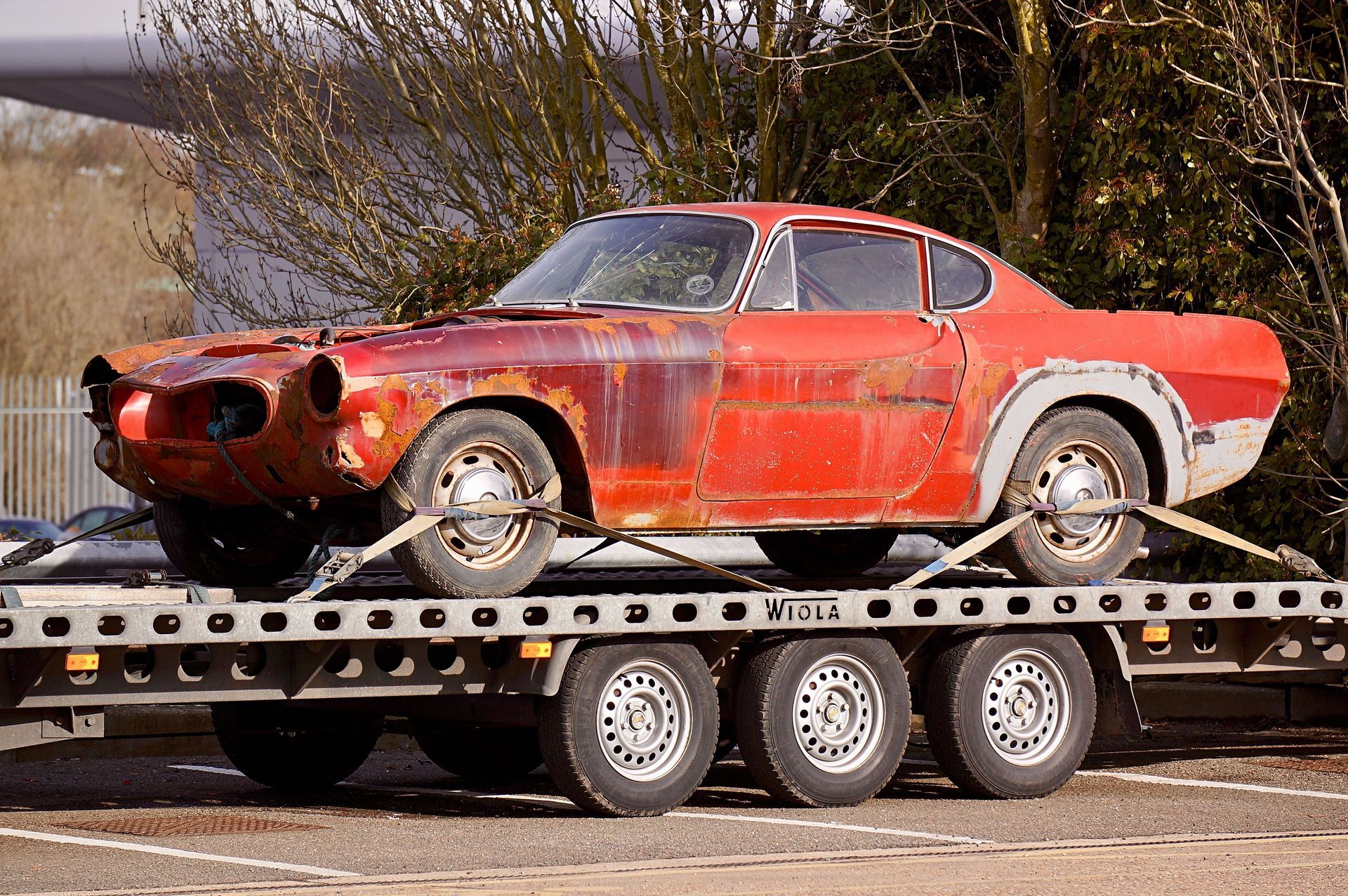
Here's the twist that surprises most folks: swerving to miss the deer and instead clipping a fence, a mailbox, or sliding into the ditch is a collision claim, not comprehensive. Different coverage, often a different deductible, and typically rated as an at-fault accident.
That's the financially painful irony of deer season. Taking the hit — foot on the brake, staying in your lane — is usually the cheaper claim to file. It's also the safer move. Highway safety groups consistently advise against swerving for an animal in the road, because overcorrecting into oncoming traffic, a tree, or a rollover causes far more serious injuries than the deer strike itself. Wade's instinct to brake and hold his lane protected both his claim history and, more importantly, him.
Adjusters see this pattern often enough that they'll usually ask exactly how the damage happened before assigning a claim type, so the details of the moment matter more than they might seem to at the time.
What the claim does to your rate
Many carriers treat comprehensive claims more gently at renewal than at-fault collision claims, though practices vary by carrier and by your overall claims history. A single deer strike, filed as comprehensive, usually doesn't carry the same surcharge risk as an at-fault collision claim would. That's another reason the brake-don't-swerve advice does double duty — it's the safer choice and often the less costly one on paper.
None of this is a guarantee. Rating rules, surcharge schedules, and claims-forgiveness features differ from one carrier to the next, and a pattern of repeated claims of any kind can affect renewal terms regardless of type. The point isn't that a deer strike is free — it's that understanding which bucket the claim falls into helps you know what to expect. It's also worth asking directly how a given policy handles a first at-fault claim versus a first comprehensive claim, since the answer can vary even between two policies with the same carrier.
The deductible is the number to check
Before deer season gets rolling, it's worth knowing your comprehensive deductible in actual dollars, not just remembering that you have coverage. Some drivers carry a lower comprehensive deductible than their collision deductible specifically because they live in hail country and deer country at the same time, which North Texas covers on both counts.
If you're not sure what your comprehensive deductible is, that's a quick question for your
auto insurance policy review — a better one to ask ahead of the season than the night you're standing on the shoulder of FM 730 with a flashlight. A lower comprehensive deductible usually comes with a slightly higher premium overall, so it's a trade-off worth running the numbers on rather than assuming one direction is automatically the smart one.
Liability-only drivers have no coverage for the deer at all. If your policy carries liability only — no comprehensive, no collision — a deer strike is entirely out of pocket. That's a coverage gap worth revisiting before the season most likely to test it.
Rut season on Wise County roads
Deer movement isn't random. Rut season — roughly October through December — puts bucks on the move chasing does, often right at dawn and dusk, which lines up with a lot of commute traffic on the area's farm-to-market roads. Add in earlier sunsets as the days shorten, and more of the drive home happens in that low-light window when deer are hardest to see and most likely to be moving.
National claim studies consistently point to November as the peak month for animal-strike claims, with the shoulder months of October and December not far behind. Anyone who drives a rural stretch regularly — creek bottoms, tree lines, pasture edges — is driving through exactly the terrain deer use to travel and feed. Early morning school drop-off and pre-dawn work commutes fall inside that same window, which is easy to forget until a car full of kids meets a startled buck at 45 miles an hour.
Five minutes of prep before November
Slow down near creek bottoms and fence lines at dusk and dawn. These are the spots deer use to cross roads, and a few miles an hour of speed is the difference between a close call and a claim.
Use your high beams when you're alone on the road. They light up the ditch line farther out, giving you more reaction time to see eyes reflecting back before the deer is in your lane.
Don't count on deer whistles. They're popular, but there's no solid evidence they reliably work, and relying on one instead of slowing down in high-risk areas is a bad trade.
Watch for the herd, not just the one deer. Deer rarely travel alone, so if one crosses ahead of you, assume more are coming behind it and ease off the gas instead of accelerating past the spot.
If you do hit one, pull over safely first. Get off the road if you can, turn on your hazards, and don't approach or touch the animal — an injured deer can be unpredictable. Then call it in to start the claim while the details are fresh.
Wade's hood is getting fixed, and next time he's driving FM 730 at dusk, he'll be watching the ditch lines a little closer. A look at your own comprehensive deductible ahead of the season beats finding out what it is with a flashlight in your hand. If it's been a while since anyone reviewed your policy, a free quote
is a good place to start before the rut gets going.
Call (800) 666-2254 — or text
QUOTE to
(817) 646-6700 · tapinsuretx.com
Educational only; coverages and availability vary by carrier. TAP Insurance Agency, PLLC — Rhome, TX, licensed in Texas and Oklahoma.