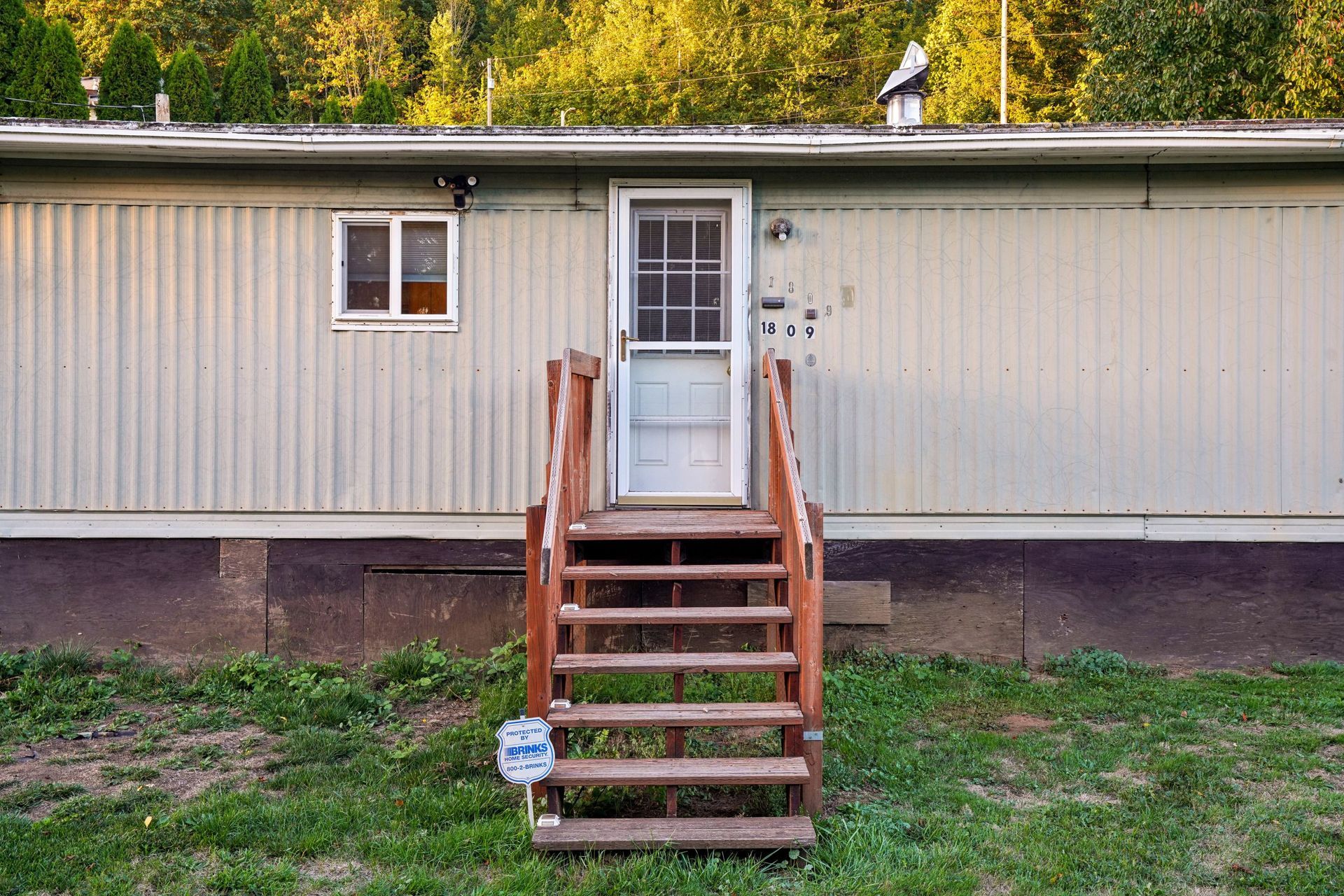
Denise's house in Bridgeport sits on a street that has flooded twice in the fourteen years she's lived there, but the water had never made it inside until a hard spring rain overwhelmed the city's aging sewer main and pushed backup straight up through the floor drain in her laundry room. Two inches of gray water spread across the laundry room and into the hallway before she noticed it. Her homeowners insurer sent an adjuster within two days, looked at the drain, and told her almost immediately that the loss wasn't covered.
Water backup coverage pays for damage when water or sewage backs up through a sewer line, drain, or sump pump and enters the home, a loss that both a standard homeowners policy and a flood insurance policy typically exclude. It's a separate, inexpensive endorsement that has to be added on purpose; it isn't included automatically.
Denise had carried homeowners insurance for over a decade without ever hearing the words water backup endorsement, and she isn't unusual. Most Texas homeowners assume any water damage inside the house is automatically a homeowners claim, and most policies are written in a way that makes that assumption feel reasonable until the specific cause of the water turns out to matter more than the water itself.
Why water damage doesn't automatically mean covered
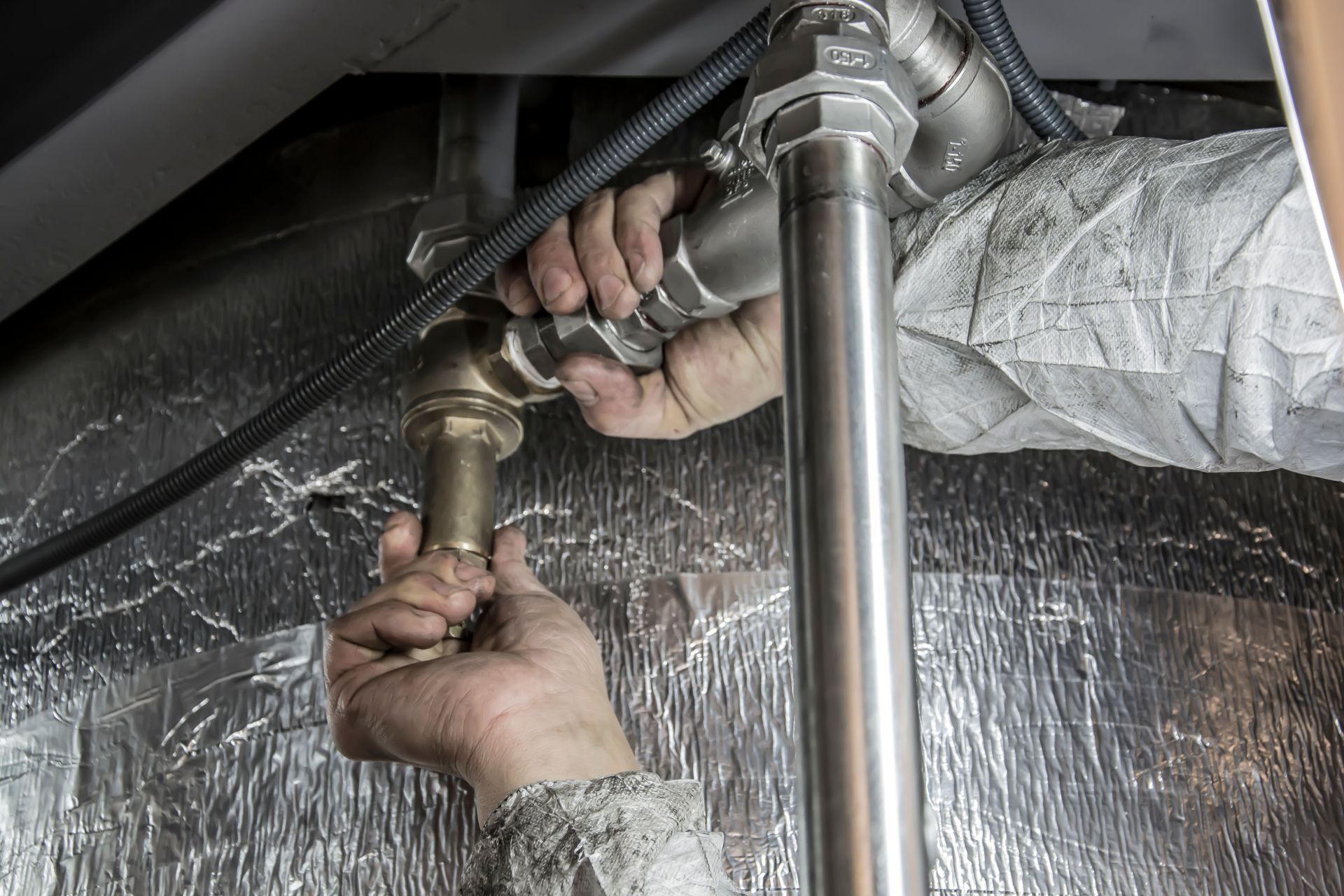
A standard homeowners policy in Texas covers a long list of water-related losses: a burst pipe, an overflowing bathtub left running, a washing machine hose that fails, a water heater that ruptures. Those are treated as sudden, accidental discharges from within the home's own plumbing system, and they're squarely inside what a typical policy pays for without any special endorsement.
An
independent agent in Bridgeport sees the confusion this creates constantly, because the water in Denise's laundry room looked, felt, and smelled exactly like water from a failed washing machine hose. The insurer wasn't disputing that real damage happened. It was drawing a line between water that escaped from the home's own plumbing and water that came in from outside the home's plumbing altogether, through a municipal or shared sewer line the home doesn't control on its own.
What actually counts as a backup
Water damage from a plumbing failure or discharge. Water that escapes suddenly from a pipe, fixture, or appliance inside the home, a burst supply line or a failed water heater are the classic examples. This is standard homeowners territory, covered without any special endorsement in most policies.
Water backup from a sewer, drain, or sump pump. Water or sewage that enters the home moving in the wrong direction, up through a floor drain, toilet, or low-level fixture, because a municipal sewer main is overwhelmed, a private lateral line is blocked or has collapsed, or a sump pump fails during a heavy rain. This is what a standard policy excludes and what the water backup endorsement is written specifically to cover.
The two can look identical once the water is on the floor, which is exactly why the distinction only becomes clear to most homeowners after a claim is already denied.
Why a flood policy doesn't fill this gap either
Homeowners who know enough to worry about flooding sometimes assume a flood insurance policy would have covered Denise's loss instead. It wouldn't have. Flood insurance, whether through the National Flood Insurance Program or a private flood policy, covers rising water arriving from outside the home: overland flooding from a river, heavy rainfall pooling across the ground, or storm surge. It generally excludes water backup for the same underlying reason a homeowners policy does, unless a specific sewer backup endorsement has been added to that flood policy as well.
That leaves a real gap between two policies that each sound like they should cover it, a homeowners policy that stops at the home's own plumbing, and a flood policy built around water arriving from outside, not unlike the coverage gap we've written about when a
homeowners policy will not cover a business run out of the same house. Water backup coverage exists specifically to sit in that gap between the two.
What the coverage actually pays for
A water backup endorsement typically pays to clean up and repair the direct damage from the backup itself: flooring, drywall, cabinetry, and personal property damaged by the water or sewage, plus the cost of professional cleanup and sanitation that a sewage backup specifically requires beyond ordinary water extraction. Some policies also cover the cost of clearing or repairing the specific line that caused the backup, though that detail varies enough by carrier that it's worth asking about directly rather than assuming either way.
Coverage is usually written as a set limit, commonly starting in the low thousands of dollars and available in higher amounts, rather than matching the home's full dwelling limit. For a home with a finished basement, a converted lower-level living space, or simply more flooring and furniture near the ground, the standard starting limit is worth checking against what actual replacement would cost rather than accepting the default without a second look.
What raises the odds of a backup in North Texas homes
Older sewer laterals, the pipe connecting a house to the municipal main, grow more prone to backups as they age, especially clay and older cast iron lines prone to root intrusion and gradual collapse. Homes sitting at a low point relative to the street, or sharing a sewer line with several other properties, see backups more often during heavy rain, since the whole system fills faster than any single home's fixtures can drain on their own. A sump pump handling groundwater in a crawl space or a low utility room is a mechanical device that can simply fail, whether from a power outage during the same storm causing the problem or from ordinary wear.
None of that is unique to any one part of North Texas, but a spring and early-summer rain pattern that regularly delivers several inches in a short window gives aging municipal systems a reason to struggle every year, not just once in a decade.
Sizing the coverage and what it costs
The endorsement is inexpensive relative to what it protects against, which is part of why so few homeowners think to ask about it until after a loss. A reasonable starting point is the cost of replacing flooring and drywall in whatever room sits lowest in the house, plus a cushion for the sanitation and disposal costs a sewage backup specifically requires beyond an ordinary clean-water loss.
Getting a
home insurance quote that walks through this specific endorsement, rather than assuming it's already bundled in, is a five-minute conversation that would have changed how Denise's spring afternoon ended.
When to add it, and when it's already too late
The endorsement has to be in place before the backup happens. There is no retroactive version of this coverage, and a claim filed the same week a policy is amended to add it is likely to be scrutinized closely or denied outright as a pre-existing loss. Homeowners with an older sewer lateral, a finished lower level, or a history of neighborhood street flooding have the clearest case for adding it now, rather than waiting for the first close call to make the decision for them.
Denise added the endorsement, along with a backwater valve her plumber installed on the main line, within a month of the claim. Neither guarantees the next hard rain goes any differently, but both mean that the next time water tries to come up through that floor drain instead of down through it, her policy is actually built to answer for it.
Call
(800) 666-2254 — or text
QUOTE to
(817) 646-6700 · tapinsuretx.com
Educational only; coverages and availability vary by carrier. TAP Insurance Agency, PLLC — Rhome, TX, licensed in Texas and Oklahoma.