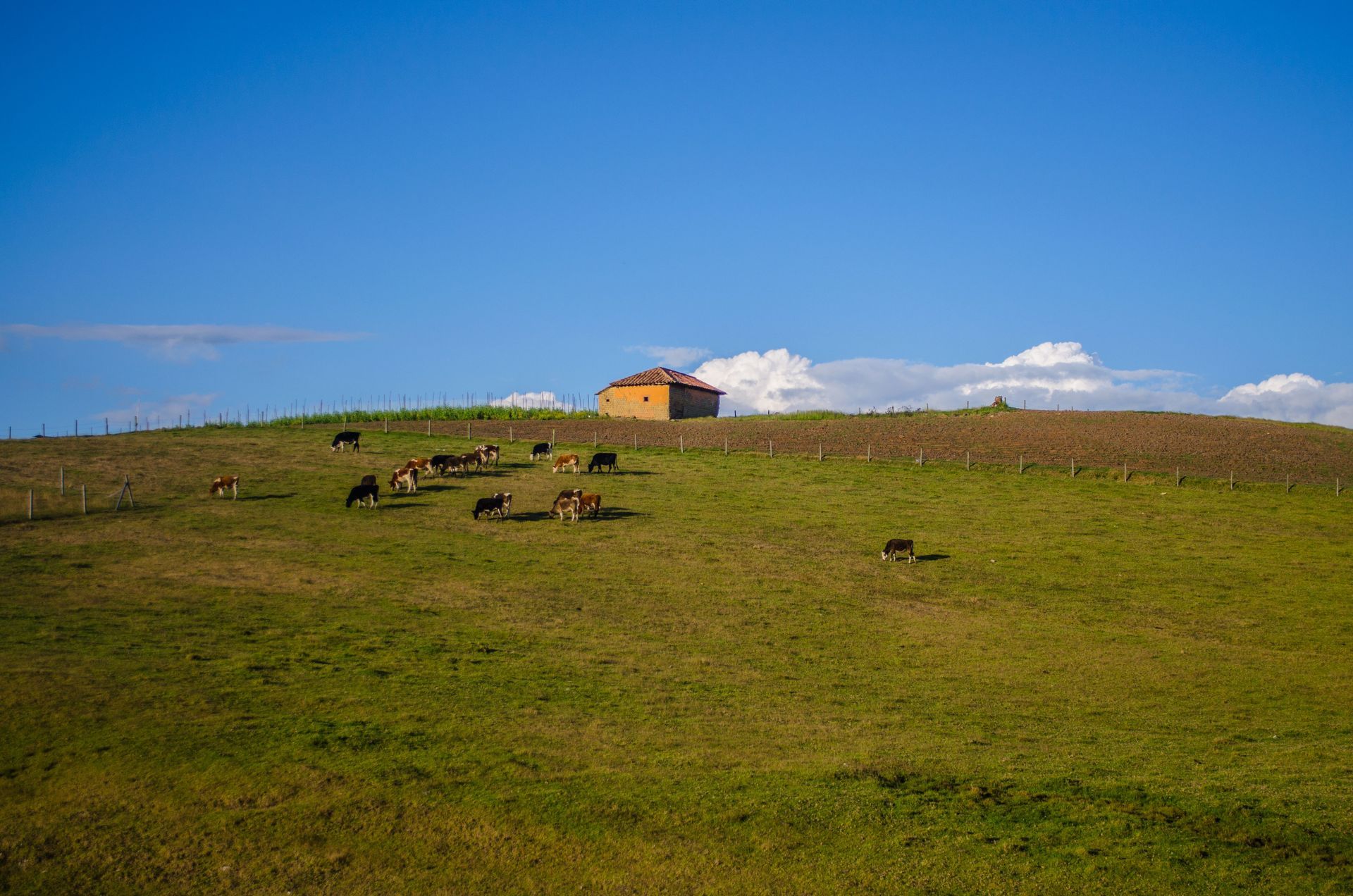
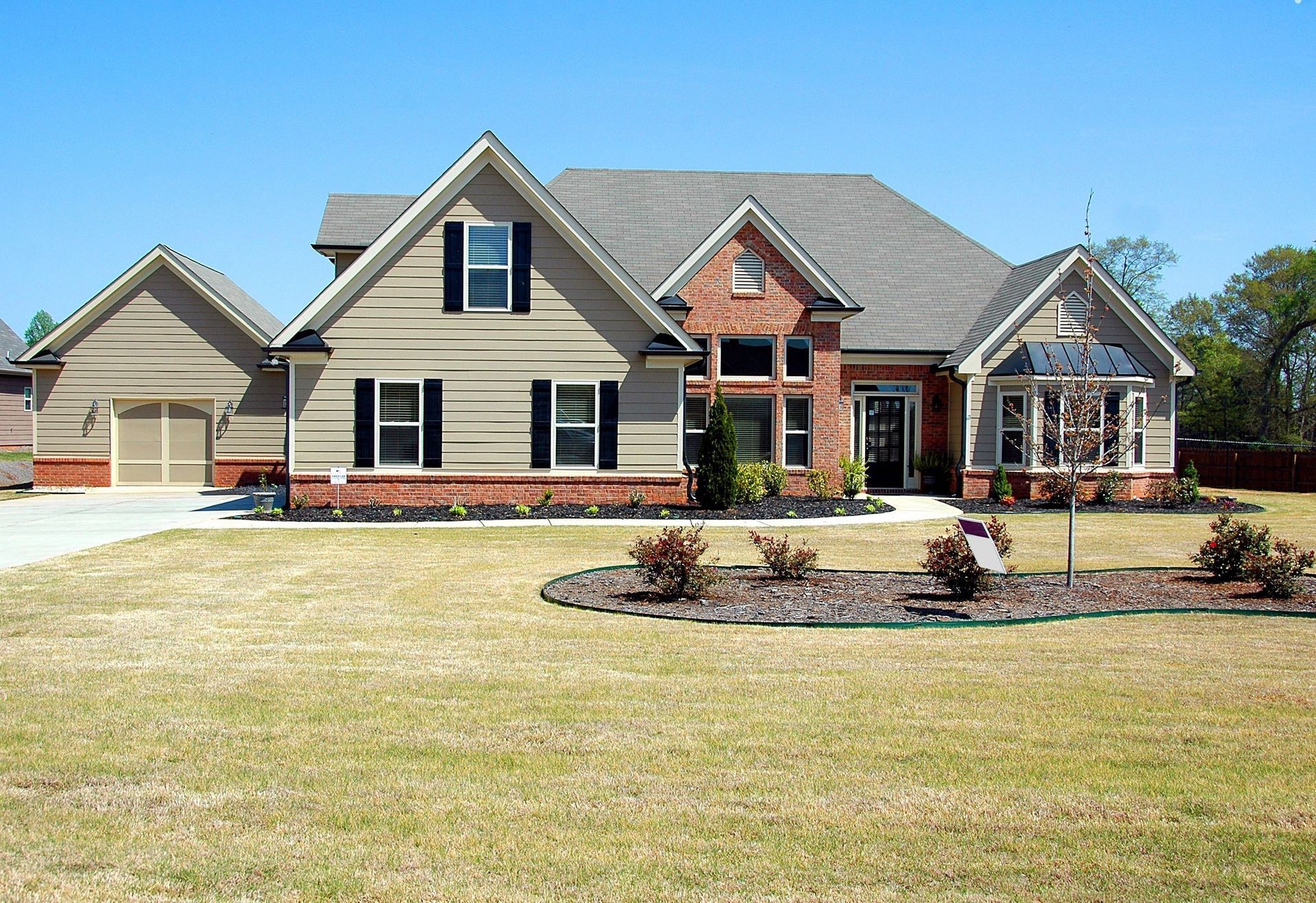
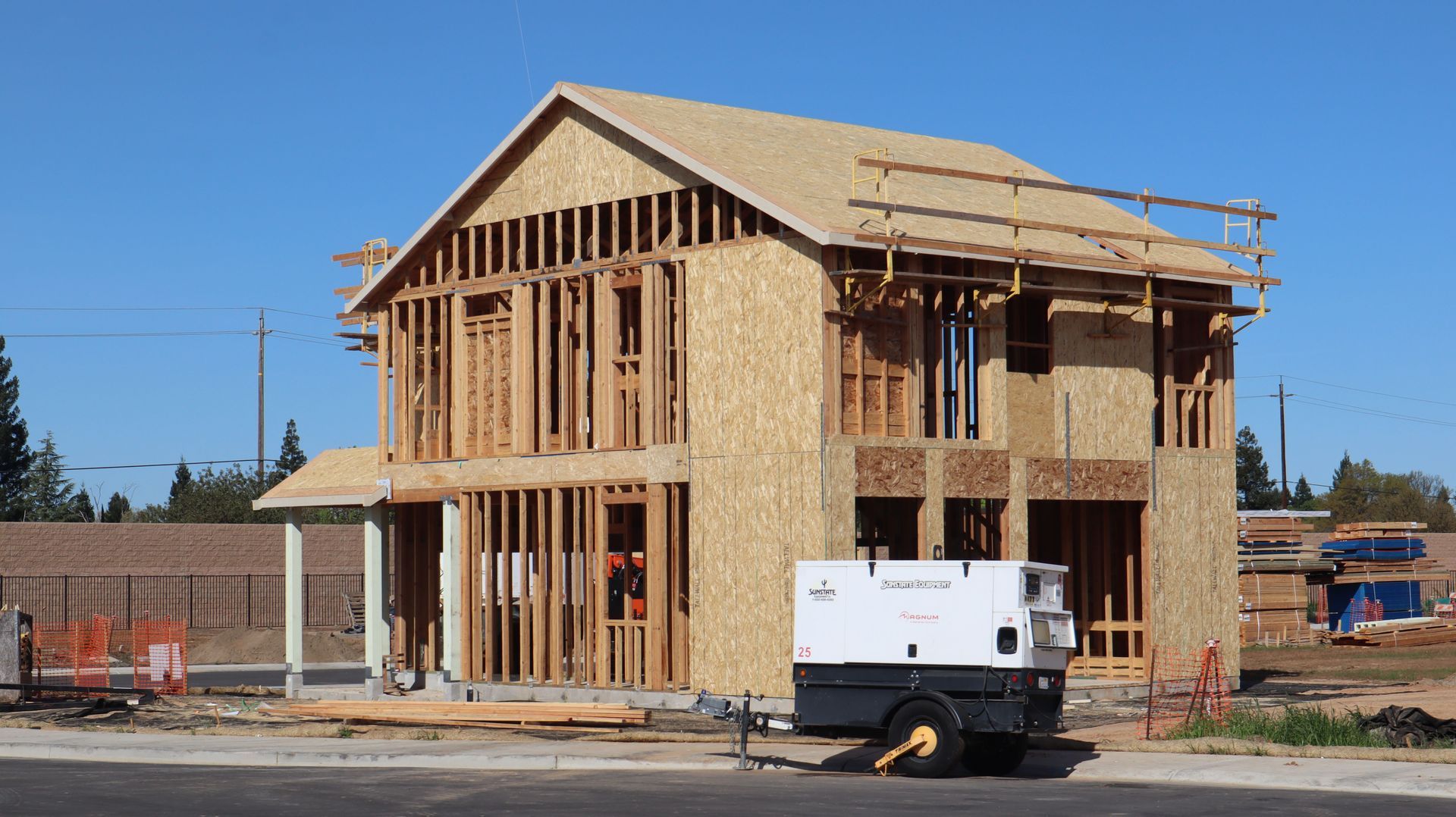
Say a couple buys six acres outside Boyd with a pond and an old barbed-wire fence line, planning to build a custom home on the land within the year. The lot itself already needs a liability policy while it sits vacant, and once the house goes up, the homeowners quote that comes back looks nothing like the one they got for the brick house they sold in Fort Worth to fund the move. Nobody on the transaction ever explains why acreage rates so differently, so they assume something is wrong with the quote instead of understanding what changed.
Building on your own land in North Texas changes the homeowners rating picture in ways a buyer of an existing house in a subdivision never runs into: fire protection distance, the water supply on the property, any outbuildings on the plat, the true replacement cost of a custom plan, whether any part of the lot sits in a mapped flood zone, and the liability exposure on the raw land before the first stud goes up.
None of that means acreage insurance costs more by default. It means the rating factors are different ones, and a carrier needs the real answers to each before it can price the policy accurately. The same six-item list applies whether the home already exists, is still on a builder's drawing board, or is part of a plan for building with Golden Crest Homes
or another North Texas builder on land you already own.
Fire protection distance changes what a carrier will even quote
A standard homeowners rating leans heavily on how far the home sits from the nearest fire hydrant or staffed fire station, and rural acreage almost always sits farther from both than a subdivision lot does. Some carriers price that distance in gradually; others simply will not write a home past a certain number of miles from a responding station without a rural fire protection class on file.
That number is worth confirming before the site is chosen, not after the foundation is poured, because it can steer which markets are even available for the finished home.
Water supply and outbuildings both show up on the rating
A home on a municipal water line is rated differently than one on a private well, partly because fire suppression on the property depends on what water is actually available if a hose has to reach the house. A pond or a cistern can sometimes help satisfy that question; a dry well with no backup does not.
Outbuildings matter just as much. A detached shop, a barn, a standalone garage or a covered equipment shed all need to be named on the policy with their own coverage limits under Coverage B, not assumed to be included in the dwelling limit. A property with several outbuildings and no plan on file for any of them is a common gap that only surfaces after a loss, and it is one of several items on the list of what a standard homeowners policy misses on acreage
until an agent walks the property with you.
Replacement cost has to match the plan, not the acreage
The land itself is not insured; the structure sitting on it is. That distinction matters because a custom home on acreage can carry a materially different cost to rebuild than the county's tax-assessed value of the property suggests, since the assessed value usually reflects the land along with the house. An accurate homeowners quote needs the actual floor plan and specifications of the finished home, the same information a builder like Golden Crest Homes can provide once the plan is chosen, rather than a generic per-square-foot estimate.
Flood zones and the waiting period deserve an early look
A homeowners policy does not cover flood, full stop, and that is true whether the home sits in town or on forty acres. What changes on acreage is how likely any part of a large lot is to touch a mapped flood zone, since a rural parcel can span more elevation and more drainage than a quarter-acre subdivision lot ever would. Checking the flood zone designation for the specific building site, not just the general area, is worth doing before the slab is poured.
If part of the lot does sit in a mapped zone, a separate flood policy carries a waiting period before it takes effect, which is one more reason this is a question to settle early rather than the week before closing. North Texas has learned in recent years that flood risk this far inland
is not a coastal-only concern, and the same rainfall that floods a subdivision can flood low-lying acreage just as fast.
The land carries its own liability exposure before anyone breaks ground
Vacant land is not a zero-risk asset just because nothing is built on it yet. If a hunter, a surveyor, a neighbor's child, or anyone else gets hurt on the property before construction starts, the landowner can face a liability claim with no homeowners policy in force yet to respond to it. A vacant-land liability policy, often inexpensive relative to what it protects, closes that gap for the stretch between the closing on the land and the day construction actually begins.
That gap tends to get overlooked because it falls between two more obvious insurance conversations: the land purchase and the future home. It deserves its own line item on the checklist.
What to have ready when you call about acreage coverage
The distance to the nearest fire station.
A rough address or GPS pin is usually enough for an agent to check the rating class before quoting anything else.
The water source.
Municipal line, private well, or a combination, along with any pond or cistern on the property, all factor into how the home rates.
A list of planned or existing outbuildings.
Barns, shops, garages and sheds each need their own limit, so a rough count and rough square footage on each one speeds up an accurate quote.
Whether you are buying raw acreage, already have a builder lined up, or are somewhere in between, the same principle holds: the sooner an agent has the real details of the site and the plan, the fewer surprises show up in the rating once the quote comes back.
Call (800) 666-2254
— or text QUOTE
to (817) 646-6700
· tapinsuretx.com
Educational only; coverages and availability vary by carrier. TAP Insurance Agency, PLLC — Rhome, TX, licensed in Texas and Oklahoma.