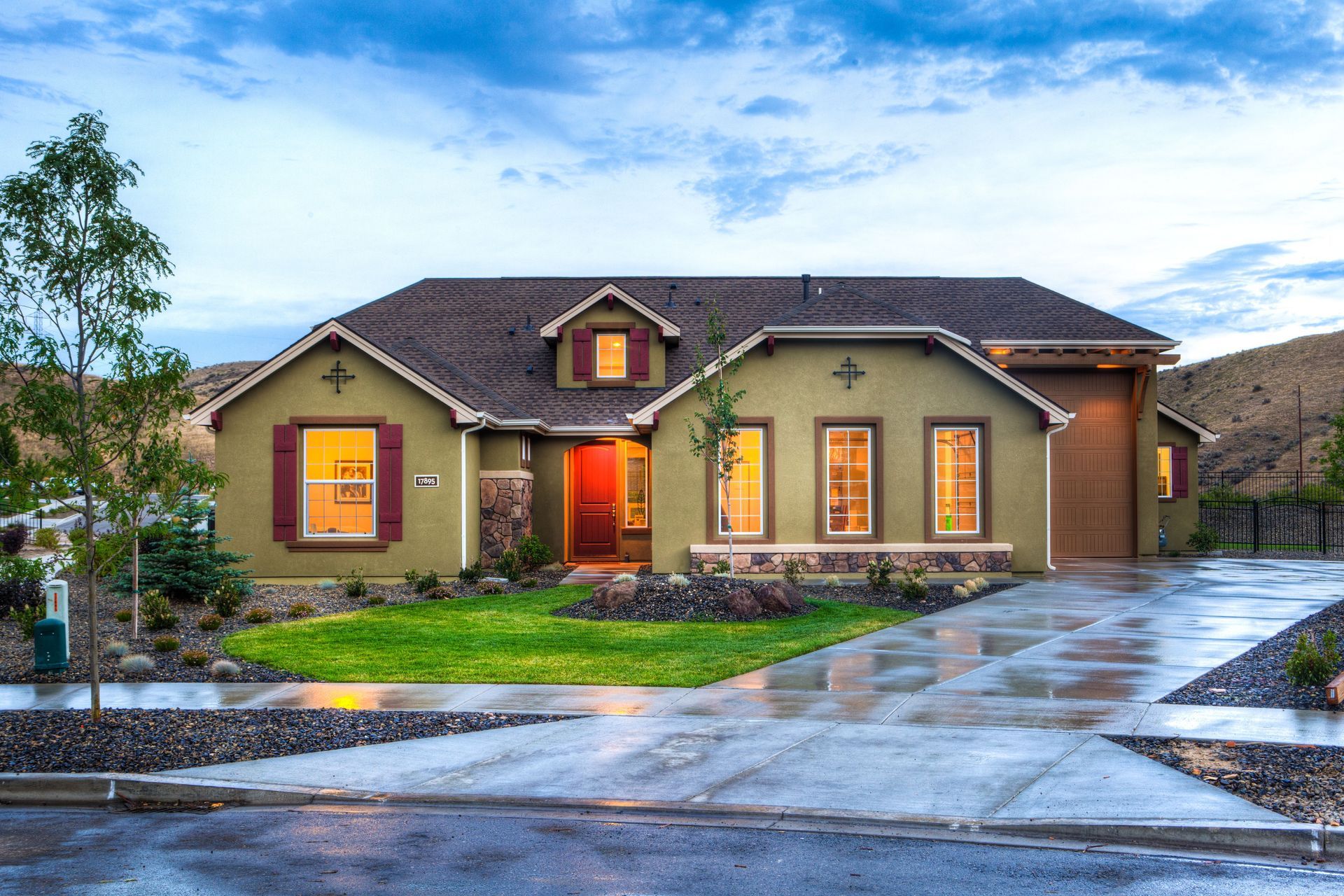
Picture a family outside Aubrey who bought four acres and hired a custom builder to put a house on it. They picked the floor plan in March, broke ground in June, and the framing crew showed up faster than the insurance conversation did. Nobody told them the structure needed its own policy the day the first truckload of lumber hit the lot, and nobody told them that policy would need to switch to something completely different the day the lender funded the loan.
A custom home build in North Texas is insured in three separate stages, not one: builders risk while the structure goes up, a homeowners policy that has to be in force the moment the lender funds at closing, and then the ongoing coverage that follows move-in and actually fits the finished plan. Missing the handoff between any two of those stages either leaves the home uninsured for a stretch or has you paying for two overlapping policies at once.
Most of the surprises happen at the seams between stages, not inside any one of them. A production-home buyer who purchases a house that already exists never has to think about this. Someone building on their own land, the way North Texas builders like Golden Crest Homes
work, has three separate insurance decisions stacked on top of the usual home-buying ones, and each stage runs on its own timeline.
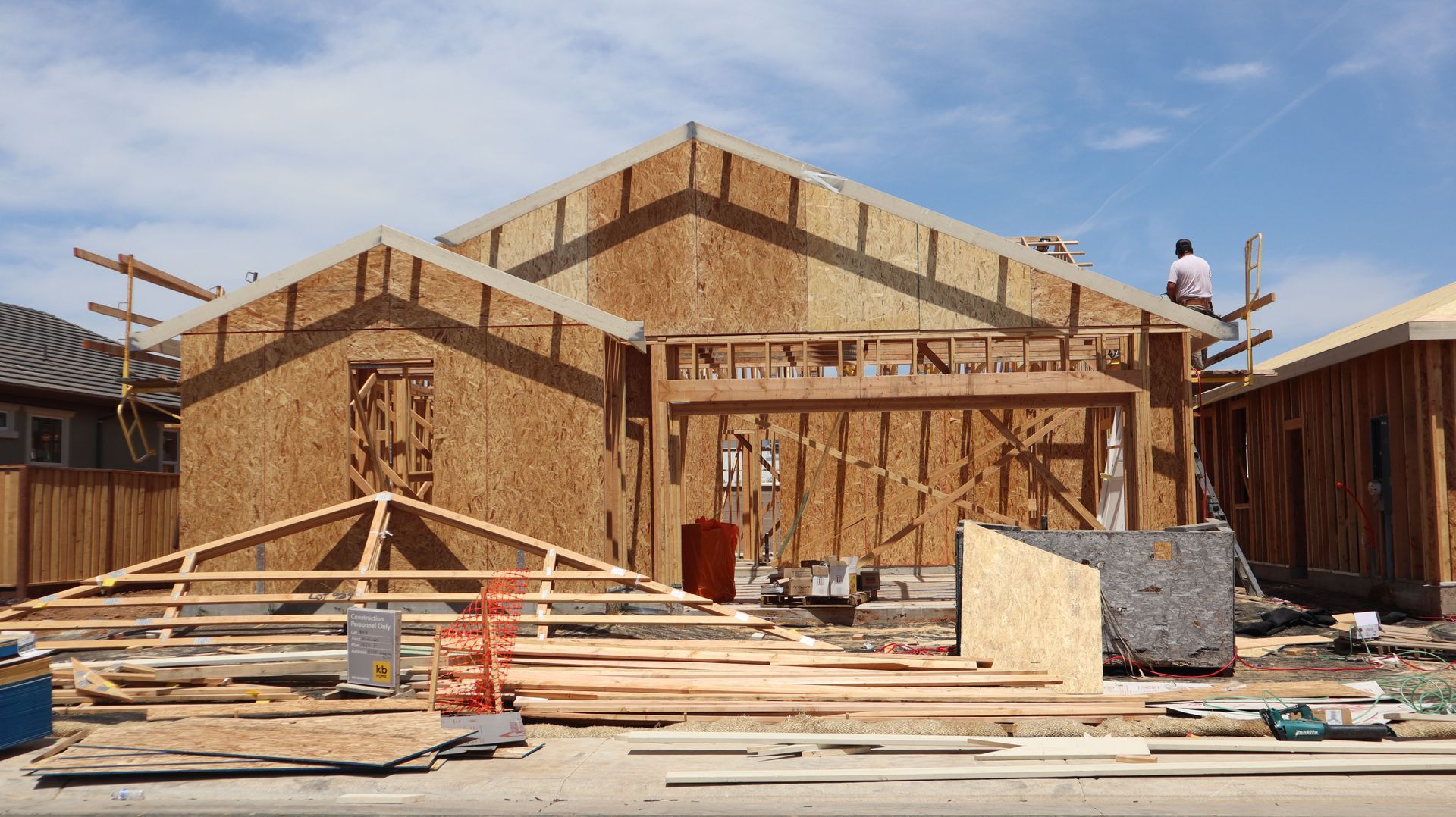
Builders risk covers the structure while it is being built
From the first delivery of materials to the final walkthrough, the home under construction is not a "home" in the insurance sense yet. It is a structure with lumber, fixtures and labor invested in it, exposed to fire, wind, theft and vandalism the same way any job site is, and a standard homeowners policy does not respond to any of it. That gap is what a builders risk policy is built to close, and it needs to be in place before the first delivery, not after.
Either the property owner or the general contractor can carry that builders risk coverage, and which one it is changes who is responsible if something goes wrong mid-build. When you are building with Golden Crest Homes
or any other North Texas custom builder, settling that question is a conversation to have before the contract is signed, not something to assume. Ask directly whose policy is in force, what it actually covers, and the date it is scheduled to end.
The switch to homeowners happens at closing, not move-in
A lender will not fund a construction loan without acceptable homeowners coverage in force on closing day. That single requirement catches more custom-build buyers off guard than anything else in the process, because it means the homeowners policy has to exist, in writing, with the right effective date, before the keys change hands — not sometime the following week once boxes start showing up.
The clean way to handle it is to quote the homeowners policy well before the completion date and time its effective date to the day builders risk is scheduled to end. Done right, there is no day the home sits uninsured and no week where both policies are running at once and you are paying for coverage twice. Done at the last minute, one of those two outcomes is usually what happens, and both are avoidable with a phone call made weeks instead of days ahead of closing.
What changes once the home is finished
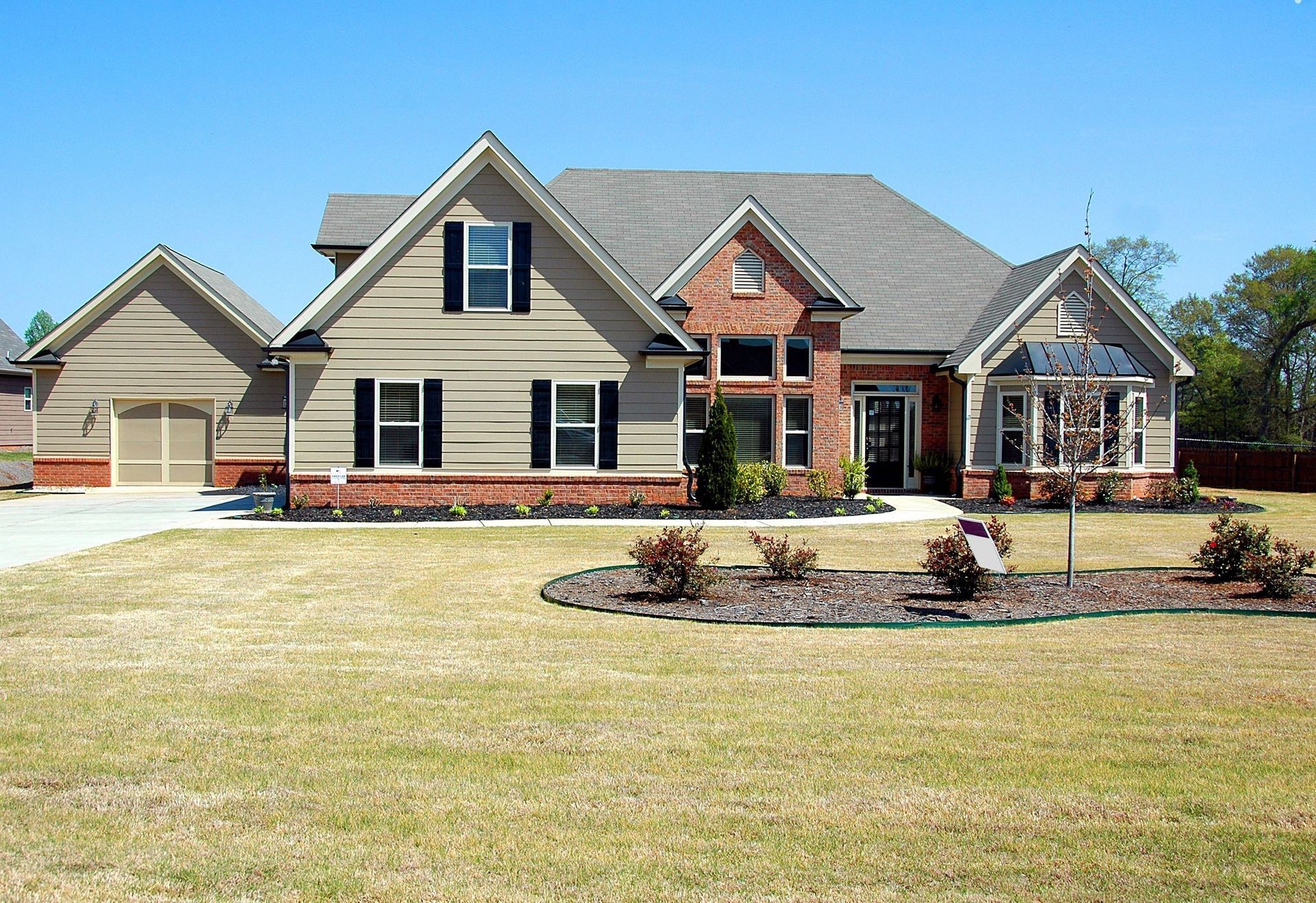
Once the homeowners policy takes over, the number that matters most on the declarations page comes from replacement cost from the actual build, not a database estimate pulled from square footage and a zip code. A custom plan carries specific materials, a specific layout and specific finish-out choices that a generic cost model was never built to capture, and getting that figure wrong shows up as a shortfall the day it is needed most.
That is also the point to talk through the details that matter most in North Texas weather: wind and hail deductibles, how the policy schedules roof age and materials, and whether water-damage and equipment-breakdown endorsements make sense for the systems actually installed in the home. None of that is optional paperwork. It is the difference between a policy that responds the way you expect after the first serious hailstorm and one that has a gap nobody noticed until a claim exposed it.
Why a custom plan needs more than a template quote
A production builder puts up the same handful of floor plans over and over, and an insurance company has seen enough of them to quote from a model with reasonable accuracy. A custom home does not work that way. The square footage, the roofline, the garage configuration and the interior finish are all specific to this one house, which means an accurate policy needs the real plan and the real specs, not an assumption based on the neighborhood or a comparable sale down the road.
That is part of why timing matters so much. A homeowners quote built from the actual floor plan and specifications, rather than an estimate, tends to hold up better at claim time, because the numbers on the policy describe the house that actually exists, not the house the model assumed. Providing that plan early is a five-minute step that pays off months or years later.
What to have ready when you call
The signed contract.
Your builder's contract usually states who carries builders risk during construction and for how long, which is the first thing an agent needs to know before quoting anything else.
The completion date.
Even an estimated one lets the homeowners policy get timed to start the day builders risk is set to end, instead of guessing after the fact and hoping the dates line up.
The final floor plan and square footage.
The actual specs, not the marketing brochure, are what let the cost to rebuild get set from the real build rather than a generic figure.
None of that paperwork needs to be perfect. It needs to exist, and it needs to reach a Wise County insurance agent
early enough that builders risk, the closing-day switch, and the finished homeowners policy line up instead of leaving a gap for a storm, a lender, or an adjuster to find first.
Call (800) 666-2254
— or text QUOTE
to (817) 646-6700
· tapinsuretx.com
Educational only; coverages and availability vary by carrier. TAP Insurance Agency, PLLC — Rhome, TX, licensed in Texas and Oklahoma.