

Does Your Texas Small Business Need Commercial Auto Insurance? 5 Signs the Answer Is Yes

Nate Mclaughlin • June 12, 2026

A plain-English guide for Texas small business owners

Shopkeeper in a brown apron stands with arms crossed in a small store.

If you run a business anywhere in DFW, there's a good chance a vehicle helps you get the job done — a work truck, a delivery van, or just the car you drive between job sites. Here's the part that catches a lot of Texas owners off guard: your personal auto policy may not cover any of that. When a vehicle is used for business and a claim gets denied, you're left paying out of pocket for repairs, medical bills, and liability. Commercial auto insurance closes that gap. Here are five signs your business needs it.


1. You use a vehicle for work — even part-time

If you haul tools, make deliveries, drive to client sites, or move goods, that's business use in the eyes of an insurer. Many personal policies specifically exclude commercial activity, so a denied claim after a work-related accident can leave you fully exposed.


2. The vehicle is titled to your business

If the truck or van is registered under your LLC or company name, a personal auto policy generally can't cover it. The vehicle needs a commercial policy that matches who actually owns it.


3. Employees drive your vehicles

The moment someone other than you gets behind the wheel for work, you need coverage built for that. Commercial auto extends liability to your drivers and protects the business if one of them causes an accident on the clock.


4. You need higher liability limits

A serious accident in a work vehicle can generate claims well beyond what a personal policy will pay. Commercial auto offers higher limits — and many Texas contracts and clients require proof of those limits before you can even start the job.


5. You've been asked for a Certificate of Insurance

If a client, landlord, or general contractor asks for a COI naming your business, that's a clear signal you need commercial coverage. Personal policies simply don't produce the documentation other businesses require.


Don't forget general liability

Commercial auto covers your vehicles, but it won't help if a customer slips in your shop or you accidentally damage a client's property. That's what general liability insurance is for. Most small Texas businesses carry both — and a Business Owners Policy (BOP) often bundles general liability with property coverage at a lower combined cost than buying them separately.


The bottom line

If any of these five signs sound familiar, your business is carrying risk a personal policy won't absorb. As an independent agency, TAP Insurance shops multiple carriers to match the right commercial auto and general liability coverage to what you actually do — without overpaying for what you don't.


Call (800) 666-2254 or visit tapinsuretx.com for a free quote. We'll make sure your business — and the vehicles that keep it moving — are properly protected.


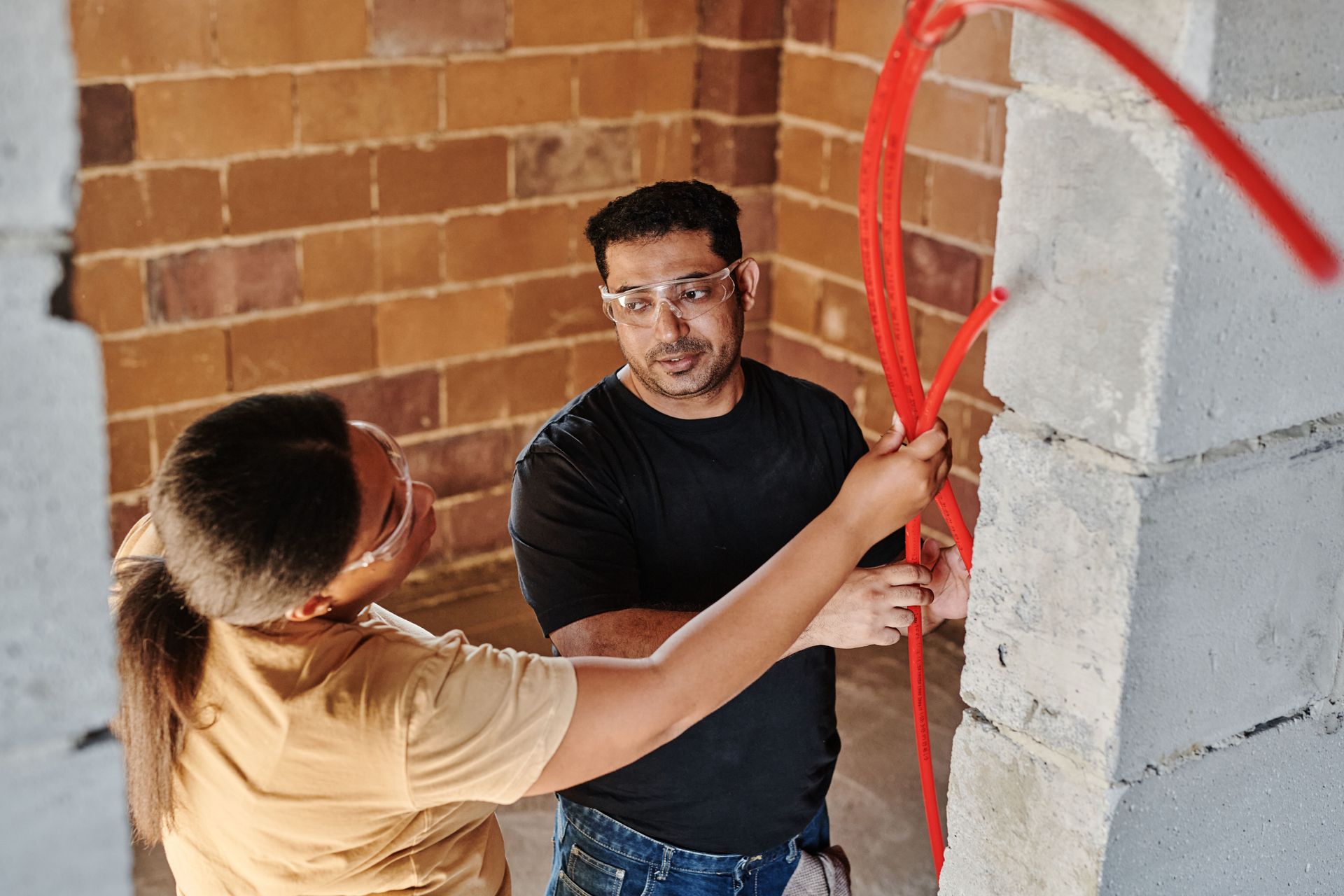
An electrician running new conduit along a brick wall on a small commercial jobsite in Texas
By Nate Mclaughlin September 18, 2026
A general contractor wants five million in liability and your policy is nowhere close. Here is how small Texas contractors stack coverage to meet the number.
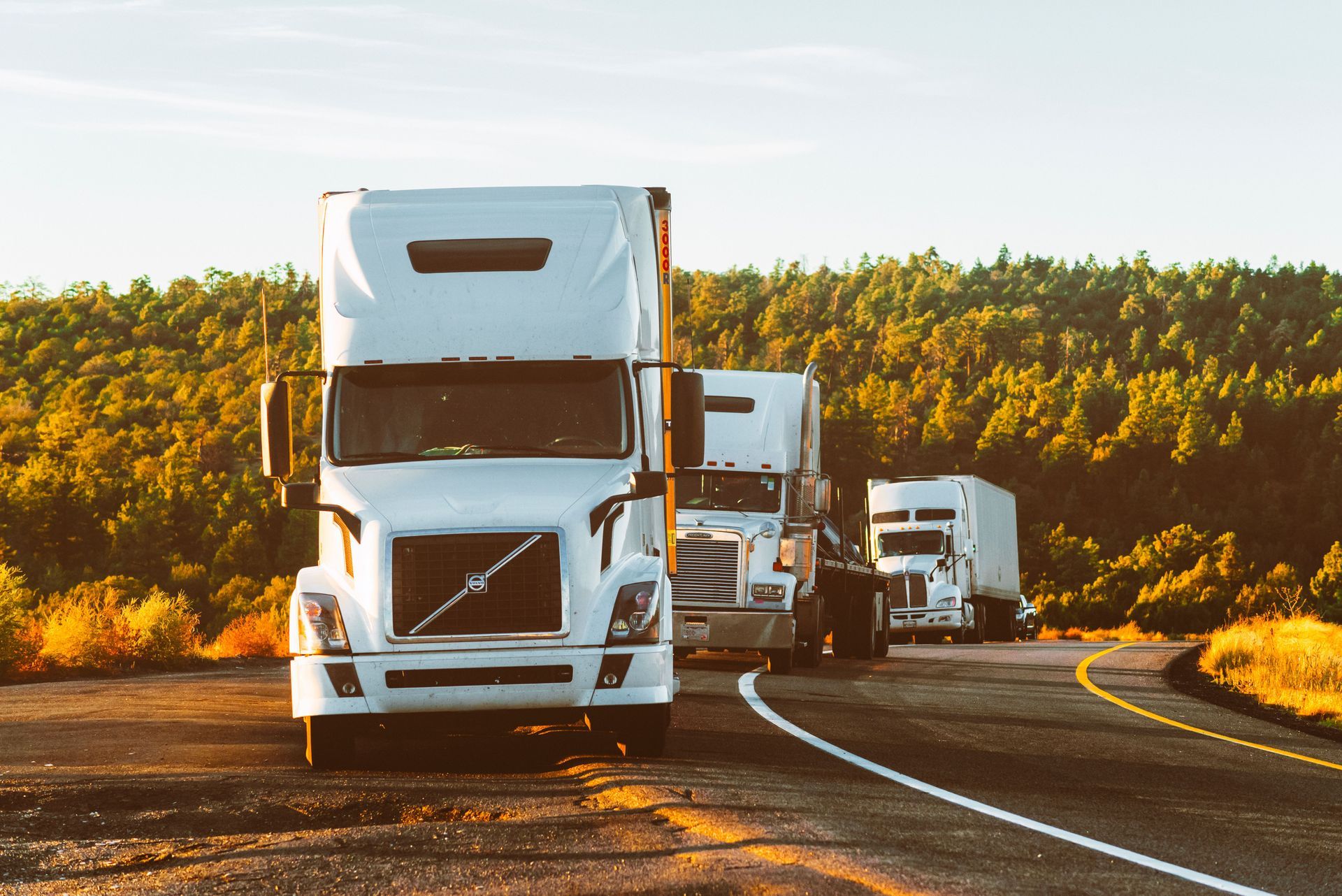
A white semi tractor running an open highway at golden hour, a second truck following behind it
By Nate Mclaughlin September 17, 2026
One line on your trucking declarations page says how far your trucks go. Here is what happens when the loads you take run past the radius you are rated for.
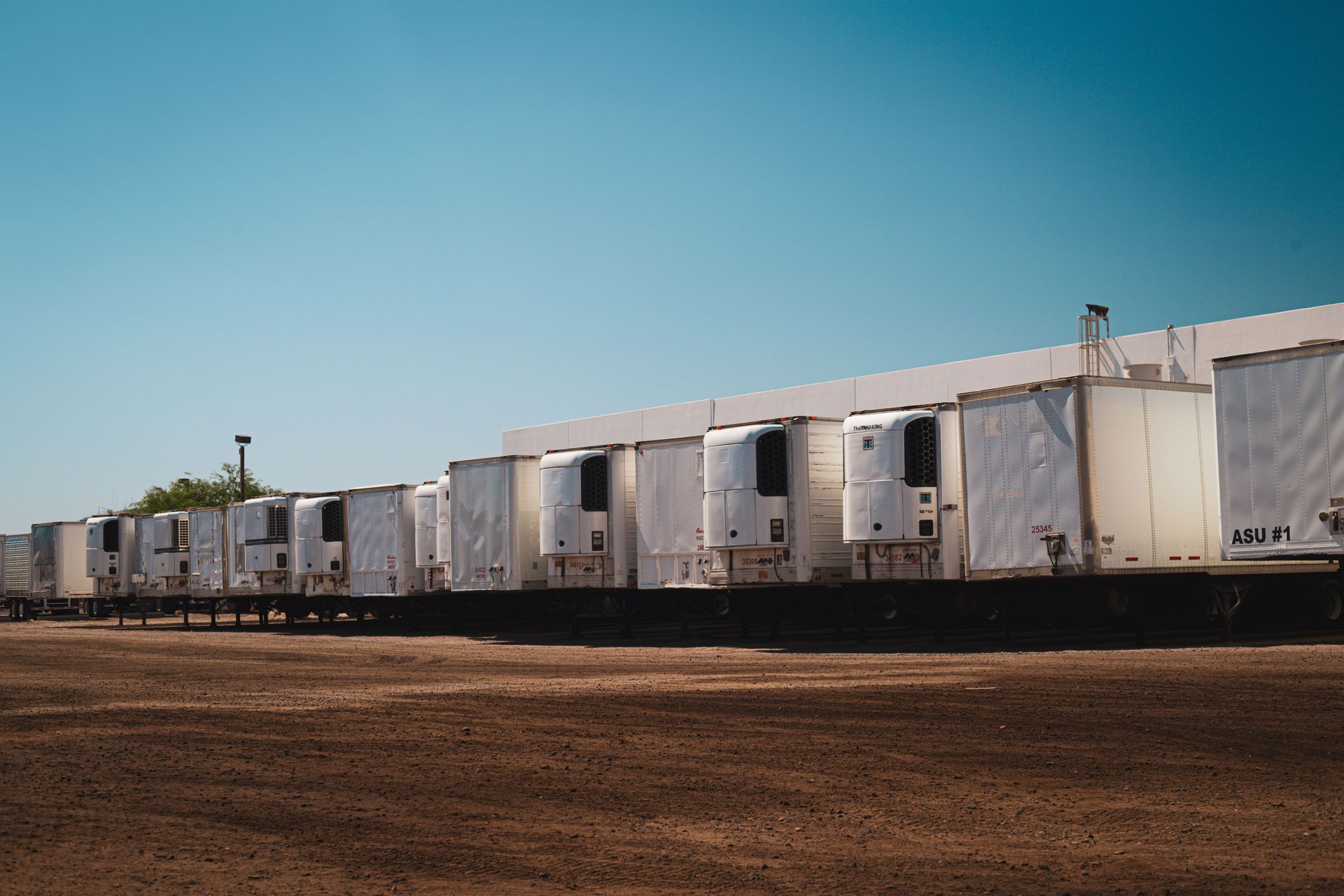
A row of white freight trailers backed to a dock in a Texas drop yard where borrowed units sit
By Nate Mclaughlin September 16, 2026
Pulling a trailer you do not own in Texas? Trailer interchange and non-owned trailer coverage are not the same. Learn which one pays for trailer damage.
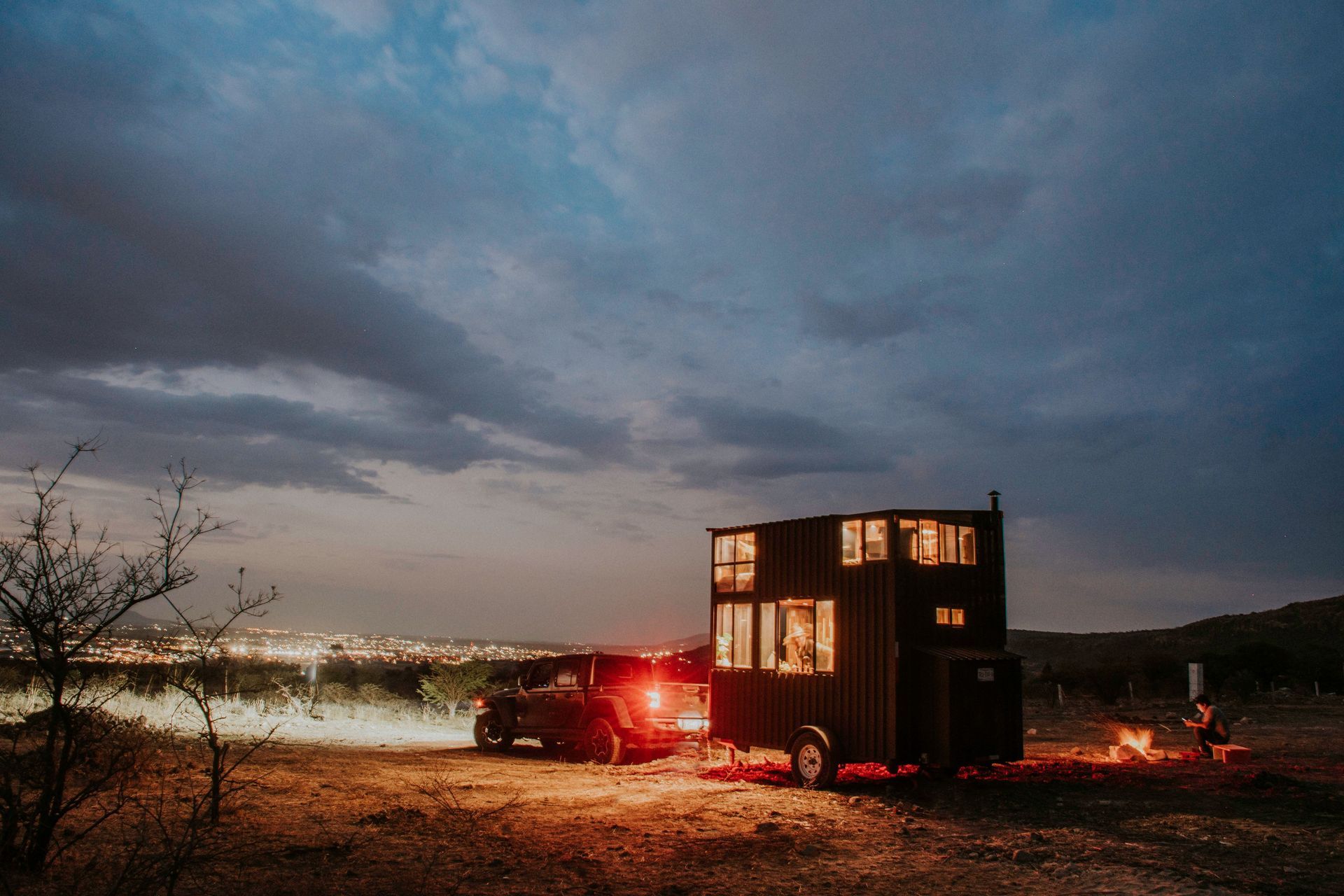
Tiny home on a trailer parked on open North Texas land at dusk with a pickup truck and storm clouds
By Nate Mclaughlin September 15, 2026
Tiny homes and park models fall between homeowners, RV, and mobile home policies in Texas. Here is how coverage really works and what to ask before you buy.
A closed sign hanging in the door of a small professional office on a weekday, the owner out
By Nate Mclaughlin September 15, 2026
Your disability policy pays you, not your practice. Learn how business overhead expense coverage pays the rent, payroll and leases while an owner is out.
Many cars raised on lifts in a busy auto body repair shop where collision damage estimates are made.
By Nate Mclaughlin September 14, 2026
Totaled car in Texas? Learn how insurers calculate actual cash value, where the valuation report goes wrong, and how to dispute a low settlement offer on your car.

Printed claims reports on a clipboard beside a laptop, the document underwriters ask for first
By Nate Mclaughlin September 14, 2026
Commercial carriers will not quote without loss runs. Learn what they show, how many years to request, and how to get them from your carrier yourself.

Hands comparing two printed insurance quotes side by side on a desk, checking for an agency fee
By Nate Mclaughlin September 13, 2026
Some Texas agencies add a fee on top of your premium. Learn what state law requires, how to spot it on a quote, and why TAP Insurance Agency never charges one.

Three people sit and talk across a table during an in-person auto insurance review meeting in Texas.
By Nate Mclaughlin September 12, 2026
Turned down by two Texas auto insurers? TAIPA is the state's assigned-risk plan. Learn who qualifies, what it covers, and how to get back to a normal policy.
Close-up of a yellow certification label on a vehicle, the sticker that settles the CDL question
By Nate Mclaughlin September 12, 2026
Does your hotshot rig need a CDL in Texas? Learn how the 26,001-pound combination rating works, why empty weight is irrelevant, and what it costs you.
Show More