Ana in Alvord watches the landfall coverage on a Thursday night, a hurricane coming ashore on the Texas coast almost 300 miles from her front porch. By Sunday the sky over Wise County is the color of wet concrete, and rain has been falling steadily since breakfast. The storm itself never got within a hundred miles of her. What arrived instead was everything left over once it crossed the coast and kept moving.
That gap between landfall and the actual damage is the part general storm coverage tends to skip. We have covered the broader hurricane-season basics for Texas property owners
elsewhere — deductibles, wind claims, when to walk the roof after a blow. This piece stays narrower: what happens in Wise, Denton, and Tarrant counties in the days after a storm crosses the coast, and which parts of a policy actually respond.
What reaches North Texas after landfall
DFW will never see a storm surge. There is no coastline here, no wall of water pushed ashore by wind. What does arrive, usually one to three days after landfall, is the remnant — a weakened, moisture-heavy system that keeps producing rain long after its wind has dropped well below hurricane strength.
That remnant rain does not behave like an ordinary North Texas thunderstorm. It can sit over the same counties for a day or two, dropping several inches in bursts, which is enough to overwhelm storm drains and low-water crossings that handle a normal storm without issue. The flooding that follows has nothing to do with a coastal flood zone — it shows up on ordinary residential streets and rural roads that have never appeared on a flood map.
Flood coverage and the 30-day problem
Homeowners insurance excludes flooding, full stop. That is true everywhere in Texas, not only near the coast, and it applies whether the water comes from a hurricane remnant, a slow-moving spring system, or a creek that rises faster than the culvert underneath it can drain.
Flooding is handled by
a separate flood insurance policy, not by a homeowners policy, whether it is written through the NFIP or a private flood carrier. That distinction holds regardless of how far the water is from the coast.
Timing is what actually trips people up. NFIP policies carry a standard 30-day waiting period before coverage takes effect, so a policy bought once a storm is already forming in the Gulf will not help with that storm's remnant rain. The decision to carry flood coverage has to be made during a calm week, not during a flood watch.
Homeowners coverage has its own version of that timing problem. Carriers routinely put
binding restrictions in place once a hurricane watch is issued for the Texas coast, pausing new policies and coverage increases across the affected region until the storm passes — sometimes even for inland counties, depending on the carrier. That rule is a separate wrinkle from the flood waiting period, but it works the same way: coverage decisions belong on a calm week, not during an active watch.
When the power stays off for days
Remnant storms are good at knocking out power even without major wind damage. Saturated ground loosens tree roots, gusty bands snap limbs onto lines, and utility crews are often stretched thin working several counties at once. A two- or three-day outage after a remnant event is common in North Texas, longer in rural areas at the end of a line.
A multi-day outage raises a question almost nobody thinks about until the freezer starts thawing: does insurance cover the food that spoiled? Some homeowners policies include a limited amount of food-spoilage coverage tied to a covered power interruption. Others do not include it at all, and where it exists, the limit is typically modest and varies by policy — worth checking the declarations page before assuming either way.
Generators cut both ways
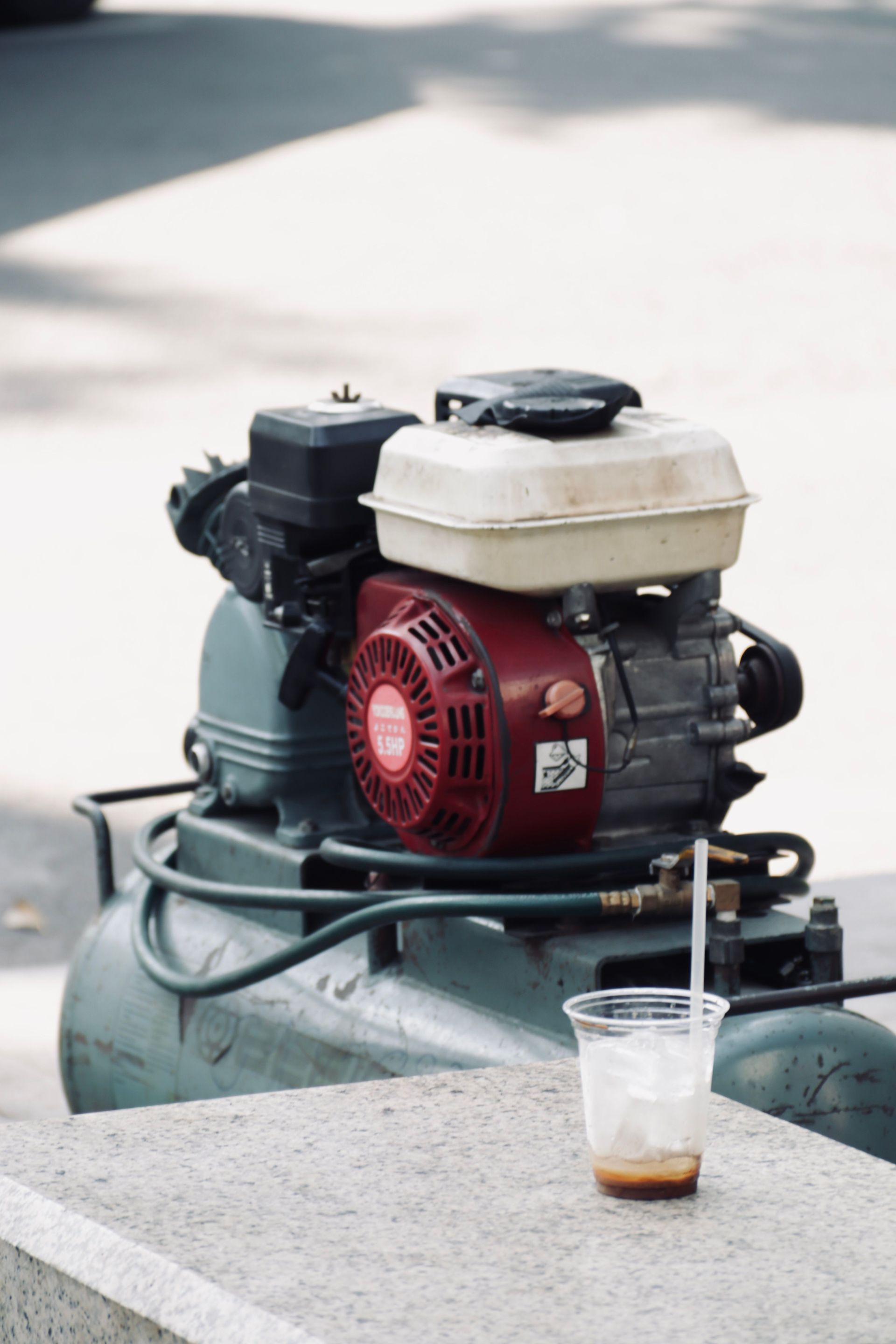
A generator solves the outage problem and creates a coverage question of its own. Damage to the generator itself — knocked over, run in standing water, stolen off a trailer — is usually treated as personal property damage, subject to the same policy and the same flood exclusion as everything else on the property.
The bigger issue is damage the generator causes. A portable unit running in an enclosed garage or too close to a window can produce carbon monoxide that reaches people inside the house, which is a liability and injury exposure, not just a property one. A generator wired into a home's electrical panel without a proper transfer switch can backfeed power onto the grid, which is dangerous for utility crews and can trigger its own claim.
None of that is a reason to skip the generator. It is a reason to treat it like any other piece of equipment with real failure modes: proper ventilation, a transfer switch installed by an electrician, and a short conversation with an agent about how the policy responds if something goes wrong while it is running.
Trees, fences, and what wind leaves behind
Remnant systems rarely bring hurricane-force wind this far inland, but gusty bands are still strong enough to bring down weak trees and large limbs, especially in ground that is already saturated. A tree falling on a house, a fence, or a parked car is typically a wind claim under homeowners or comprehensive auto coverage, regardless of whose yard the tree started in.
Debris cleanup is where people get surprised. Removing a fallen tree from the roof or from a damaged structure is often covered as part of the same claim, but hauling away a tree that fell in the yard without damaging anything usually is not. It is worth asking an agent to walk through that difference before the next storm, not after.
The endorsement most inland policies skip
Heavy remnant rain does more than flood streets. It can push more water into municipal sewer and storm drain systems than they are built to handle, and that water can back up through a home's own drains and sewer line. That kind of loss is different from surface flooding, and standard homeowners policies typically exclude it as well.
Coverage for sewer and drain backup exists, but it is almost always a separate endorsement added onto a homeowners policy, not something included automatically. For a house built on a slab in North Texas clay, where drainage is already an issue in an ordinary storm, it is one of the more overlooked add-ons available — and one worth asking about directly instead of assuming it is already there.
None of this calls for panic every time a system forms in the Gulf. It calls for knowing, before the next one, whether flood coverage is in place, whether food spoilage and sewer backup are actually on the policy, and how a generator fits into the plan — because by the time the remnant rain reaches Wise County, that window has already closed.
Call (800) 666-2254 — or text QUOTE to (817) 646-6700 · tapinsuretx.com
Educational only; coverages and availability vary by carrier. TAP Insurance Agency, PLLC — Rhome, TX, licensed in Texas and Oklahoma.