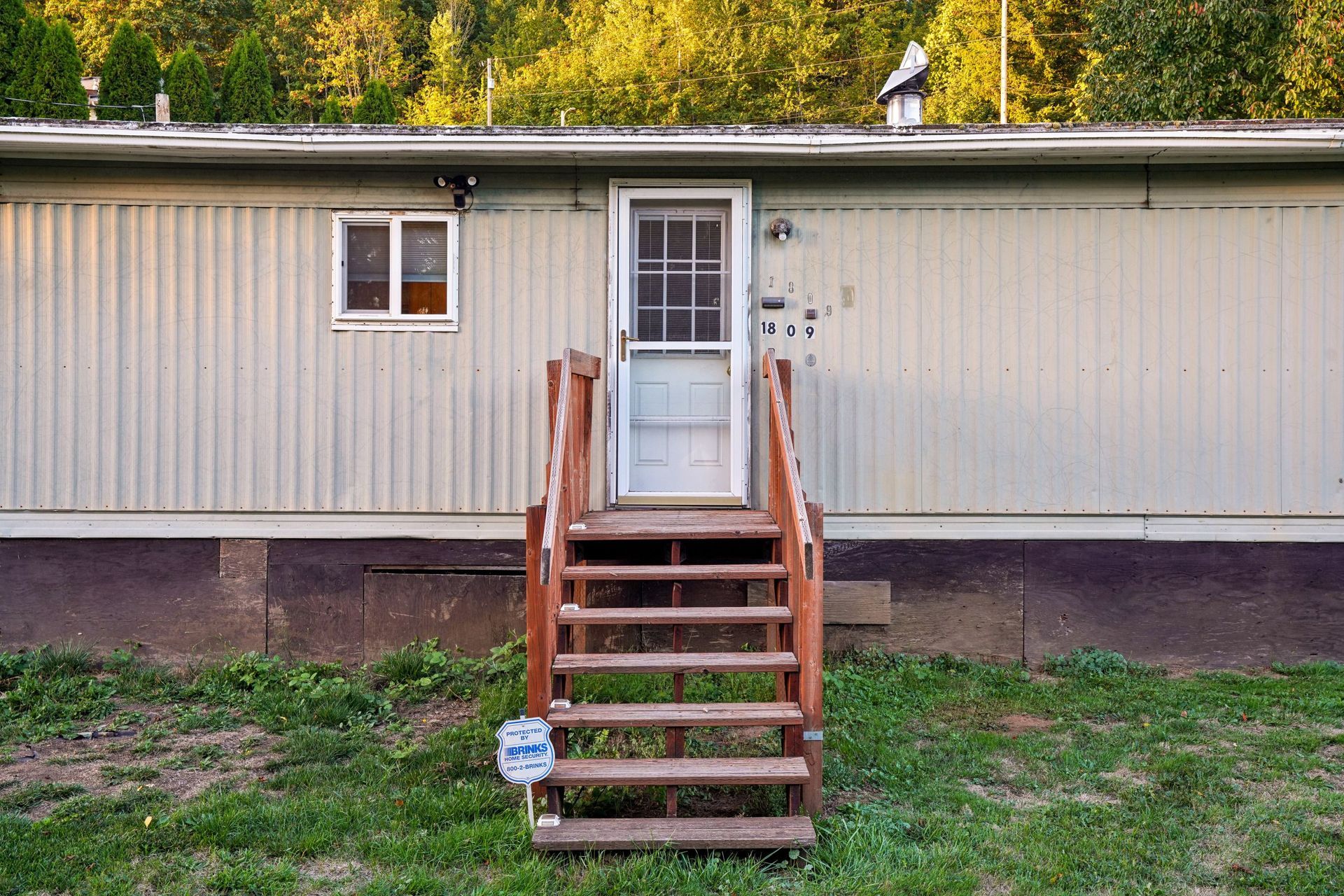
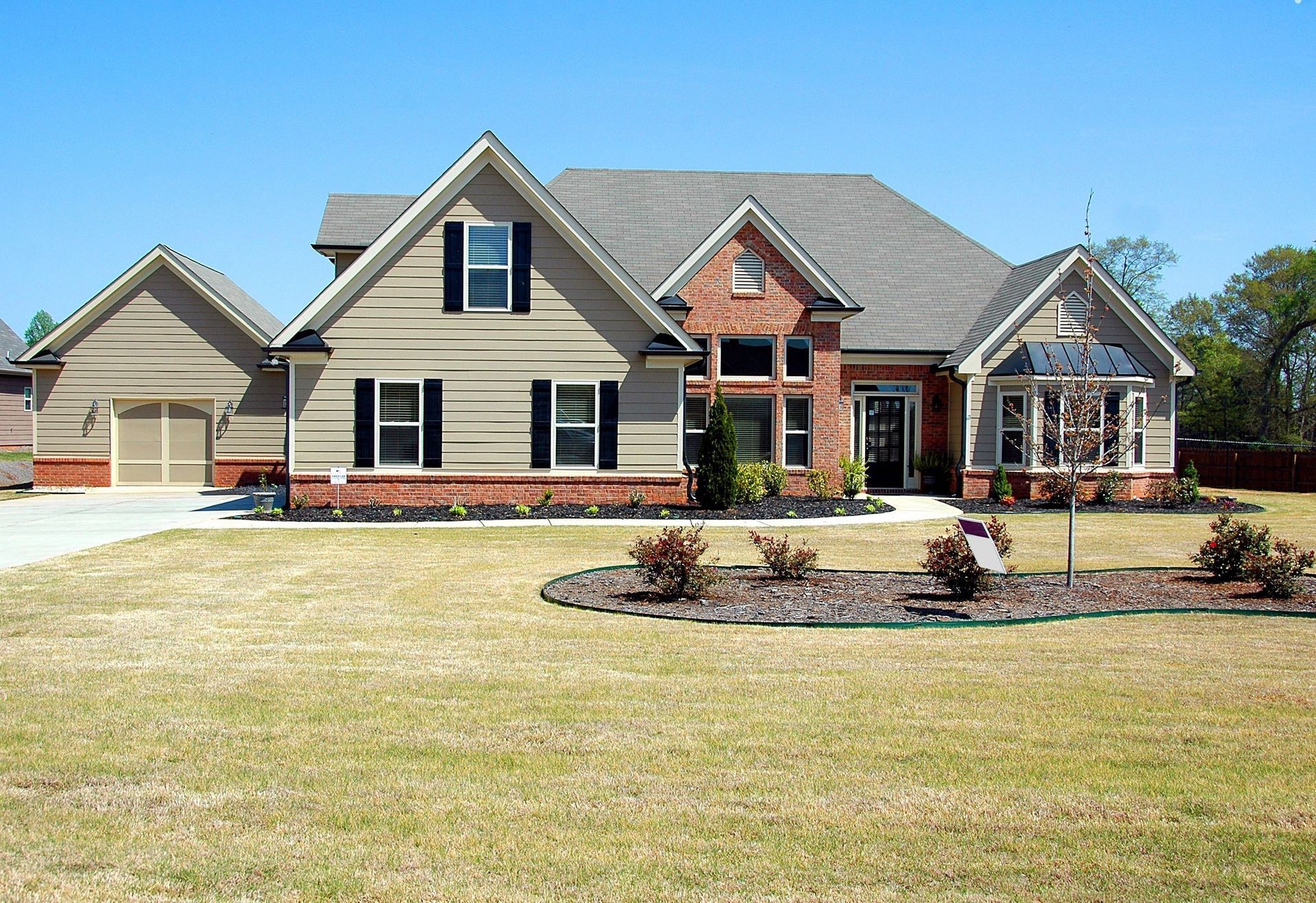
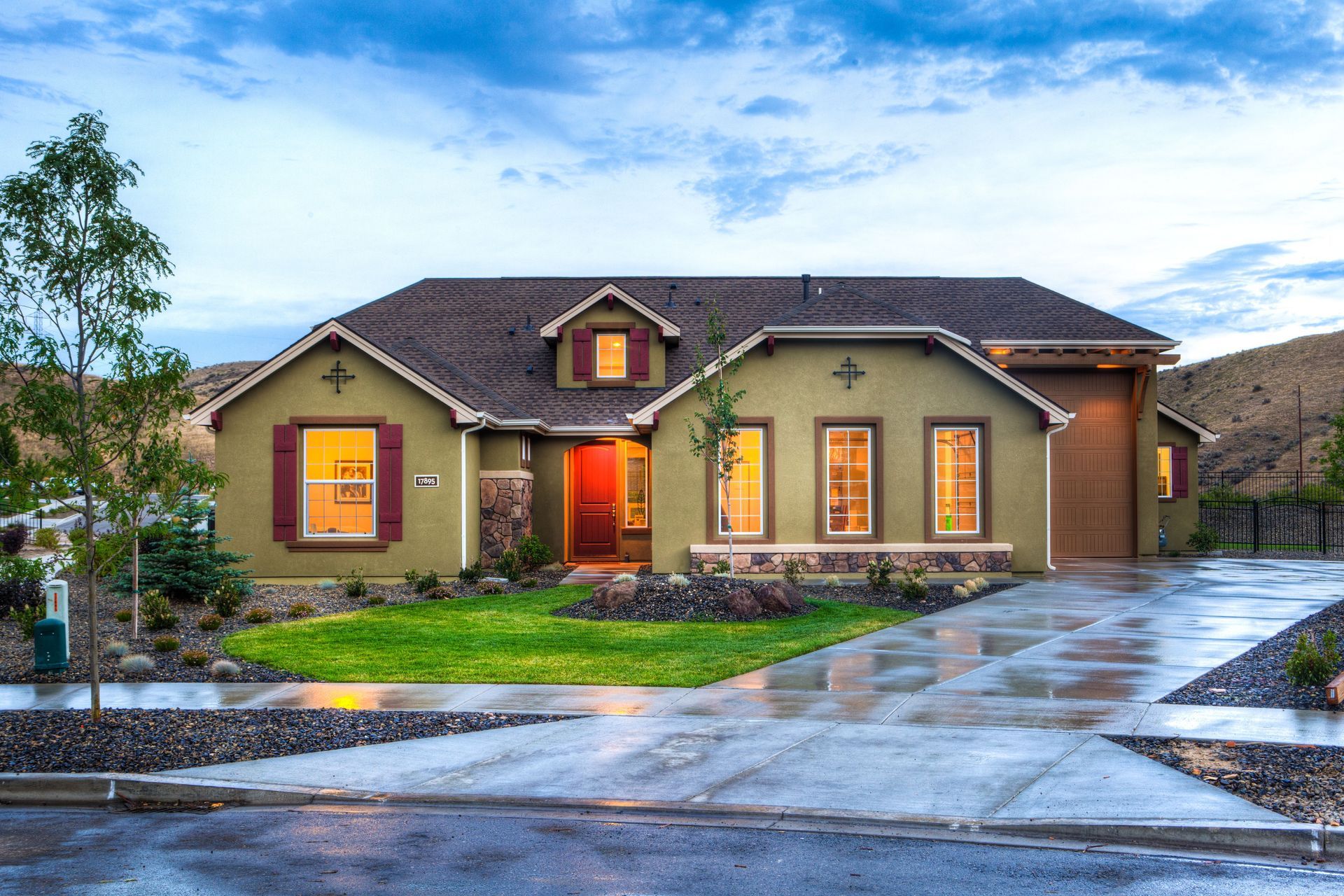
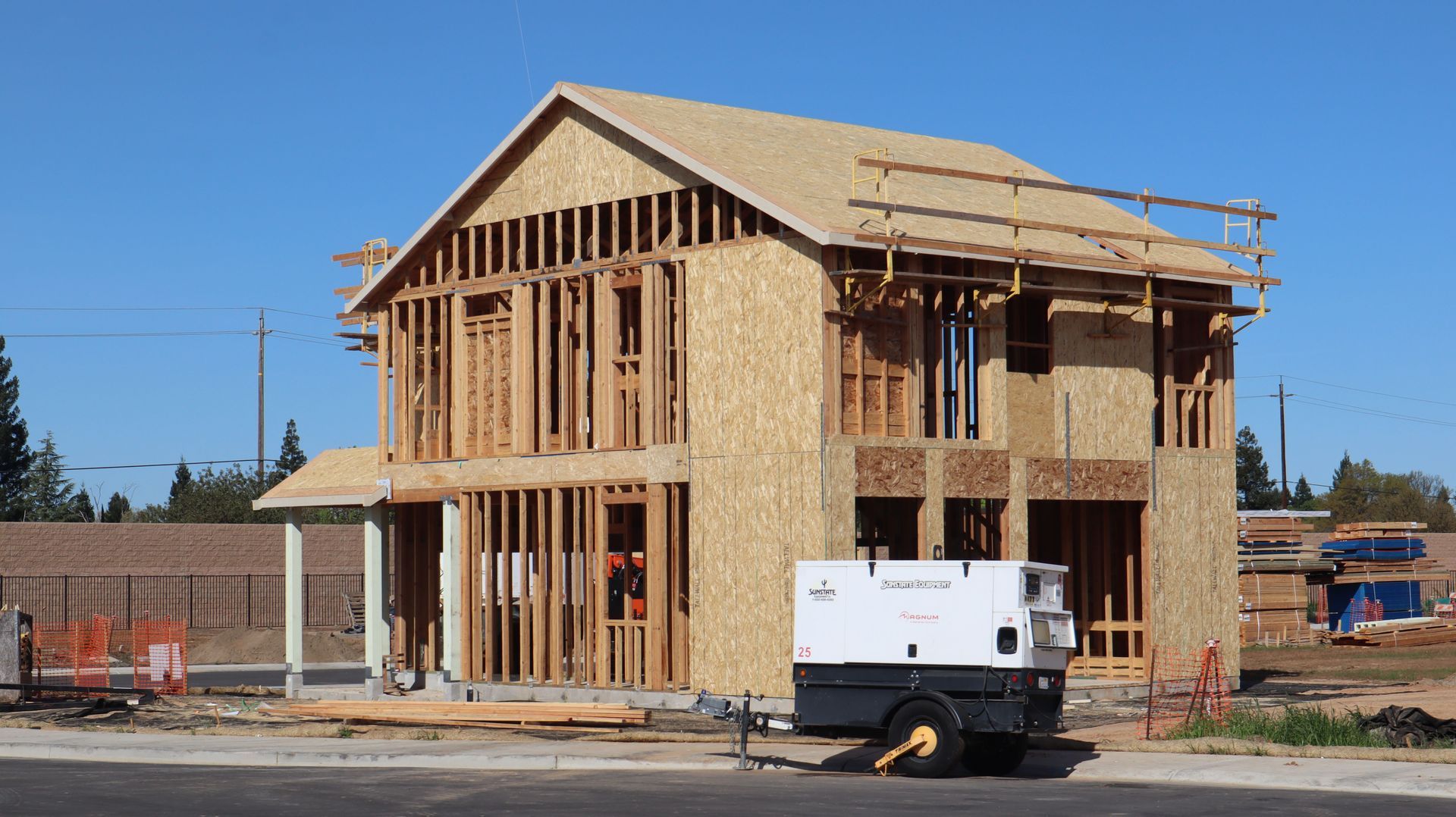
An investor who owns one rental thinks about a roof, a tenant, and one renewal date. An investor who owns a handful of doors is usually thinking about all of that several ways at once, because that's how most portfolios get built — one purchase now, another next year, a policy bought wherever was convenient at the time. At TAP Insurance Agency in Rhome, working with landlords across Texas, we rarely open a multi-property file where every door was actually insured the way the owner assumed.
A DP-3 is a dwelling fire policy written on a replacement-cost basis for property you rent out rather than live in. It covers the dwelling, landlord liability, and loss of rents, and in Texas it's the standard form investors use once a tenant, not the owner, occupies the home, since an ordinary homeowners policy stops applying at that point.
That single-property answer is the easy part. The version most investors actually live in is messier: several rentals bought over several years, insured by whoever wrote each one at the time, with no document saying what form each policy is. Ask an owner of three or more doors which form they hold on each property, and the honest answer is usually, "I'd have to look."
DP-1, DP-2 and DP-3 — the form behind the policy nobody checks
"Dwelling fire" is a family of forms, not one product, and the digit after "DP" changes what pays on a claim.
DP-1. The most basic form — named perils only, a fixed list of covered causes of loss, settled at actual cash value. Cheapest to buy, most likely to leave a roof gap.
DP-2. A broader named-perils form, often written at replacement cost rather than actual cash value — a common middle ground, still limited to whichever perils the policy lists.
DP-3. The broadest of the three, written open-perils, meaning it covers a loss unless specifically excluded, typically settled at replacement cost on the dwelling. It's the form most Texas rental property should carry — read our
DP-3 landlord insurance guide for how it works on a single rental.
Ask an investor which of the three they hold on each property, and the schedule is usually a mix — a DP-1 from the first purchase, a DP-3 from a specialist market later, and at least one policy nobody can identify until the declarations page turns up.
Actual cash value versus replacement cost: the biggest gap on an older Texas roof
Of everything on a rental schedule, the roof is where actual cash value versus replacement cost does the most damage, because Texas roofs take hail on a schedule of their own.
Actual cash value. Replacement cost minus depreciation for age and condition. On a twenty-year-old roof that number can be a fraction of what a new roof costs, and the owner makes up the rest out of pocket.
Replacement cost. What it actually costs to replace the roof with materials of similar kind and quality, no depreciation subtracted. A DP-3 at replacement cost closes most of that gap — but it can still carry a roof surfacing payment schedule, an endorsement some Texas carriers attach that scales the payout down by age regardless of the policy's overall basis, so the form alone doesn't guarantee full roof value.
Add the wind and hail deductible, usually a percentage of the dwelling limit rather than a flat figure, and an older roof on the wrong form is the fastest way for one storm to touch every property on a schedule at once.
Loss of rents is a limit you set, not one you inherit
Loss of rents pays the rent an owner loses while a covered claim makes a unit temporarily unrentable. It isn't automatic at a number that matches reality — it's a limit chosen when the policy is written, and on most inherited policies that number came from wherever a renewal landed it, not from what the property actually rents for.
That matters most on a portfolio where rents vary door to door. A unit that turned over at a higher rent than the limit ever assumed leaves exposure sitting quietly until a claim forces someone to look. Setting that limit deliberately, one property at a time, is cheap. Discovering it was wrong mid-repair is not.
Why one carrier, one schedule and one renewal date beats seven policies bought a year apart
Most portfolios aren't built, they accumulate — a policy here when a property closed, another there when a market happened to be open, until an owner with several doors is juggling multiple renewal dates and carriers, with no single document showing the whole picture. A schedule under one carrier fixes that. Every property, whether a single-family rental or a
duplex or small multi-unit building, sits on one policy, one renewal date and one deductible structure, instead of declarations pages from different years and different underwriting rules. Reviewed once a year as a whole, that schedule also catches a gap several separate renewals, each reviewed in isolation, tend to miss.
What a statement of values actually is, and why a tax appraisal is not a replacement cost
A statement of values, usually shortened to SOV, is the schedule a market asks for before it will quote a multi-property file — one line per building, with an address, a construction type, and a building value the market can underwrite to. It's the document that turns several separate conversations into one.
The building value is where most statements of values fall apart, because the number an owner has closest at hand — a county tax appraisal, or the price paid at purchase — isn't a replacement cost. A tax appraisal blends land value, market conditions and depreciation for tax purposes; a purchase price is just what a buyer agreed to pay. Handing a market either one as a building value is how a schedule ends up underinsured, which is also where coinsurance becomes real money: most commercial forms only pay a claim in full if the insurance carried meets a stated percentage of actual value.
We recently worked a live Texas rental portfolio, seven properties bought over several years, where the owner could not supply a building value for any of them and the declarations pages from the prior policies never arrived. Rather than submit a schedule with a blank value column, we built our own replacement-cost estimate for every building, using the ICC Building Valuation Data and the Craftsman National Building Cost Manual, adjusted with an area modifier for the local ZIP code prefix and a masonry adder on the buildings built in brick. We put the arithmetic on its own tab, source and modifier shown on every line, so an underwriter could change one input and watch the whole schedule move instead of taking our total on faith. We told the market the same thing in writing: an agency estimate, priced as new construction, with nothing added for the higher cost of rebuilding a single building on an occupied site, no code-upgrade cost for buildings built decades earlier, and no coastal-construction loading — a floor, not a ceiling — and nothing to be bound on those numbers until the owner confirmed them.
The lesson travels to any portfolio: an investor who can't state what a building actually costs to rebuild isn't ready to be quoted, a tax appraisal is not a replacement cost, and showing a market real arithmetic, source attached, gets a far better reception than handing it a blank column. It's also where ordinance or law coverage belongs in the conversation — the endorsement that pays the added cost of rebuilding to current code, not just what was there before — because the buildings that need it most are the same older ones hardest to value correctly in the first place.
Tenant-occupied, vacant, and what changes the day a unit turns over
A DP-3 assumes tenant occupancy. Most dwelling fire policies include some version of a vacancy clause, which suspends or limits certain coverages, often theft and vandalism first, once a property sits vacant past a stated number of days, typically sixty, unless the owner adds a vacancy permit or notifies the carrier.
Turnover is the moment that clause matters most, and the moment a portfolio owner is least likely to be thinking about insurance at all. A unit between tenants, mid-renovation, or held vacant during a rehab is a different risk than an occupied one, and a schedule not updated at turnover can leave that unit thin exactly when it's most exposed.
Named insureds when your properties sit in different LLCs
The named insured is the person or entity a policy actually protects, and on a portfolio that question gets real once properties sit in different LLCs for liability reasons — common and sensible, but it creates its own problem if the schedule doesn't match it. A policy written with one LLC as the named insured doesn't automatically extend to a property titled in a different LLC, even when the same person owns both. This rarely surfaces until a claim, when a market discovers the entity holding title isn't the entity named.
One rental is a policy. A handful of doors is a schedule, and the schedule, not any single policy on it, is where the money and the exposure actually live. If you're holding more than one Texas rental and aren't sure every door is on the right form, at the right value, get a
landlords insurance quote and let's put the whole schedule in front of one underwriter instead of seven.
Call
(800) 666-2254 — or text
QUOTE to
(817) 646-6700 · tapinsuretx.com
Educational only; coverages and availability vary by carrier. TAP Insurance Agency, PLLC — Rhome, TX, licensed in Texas and Oklahoma.