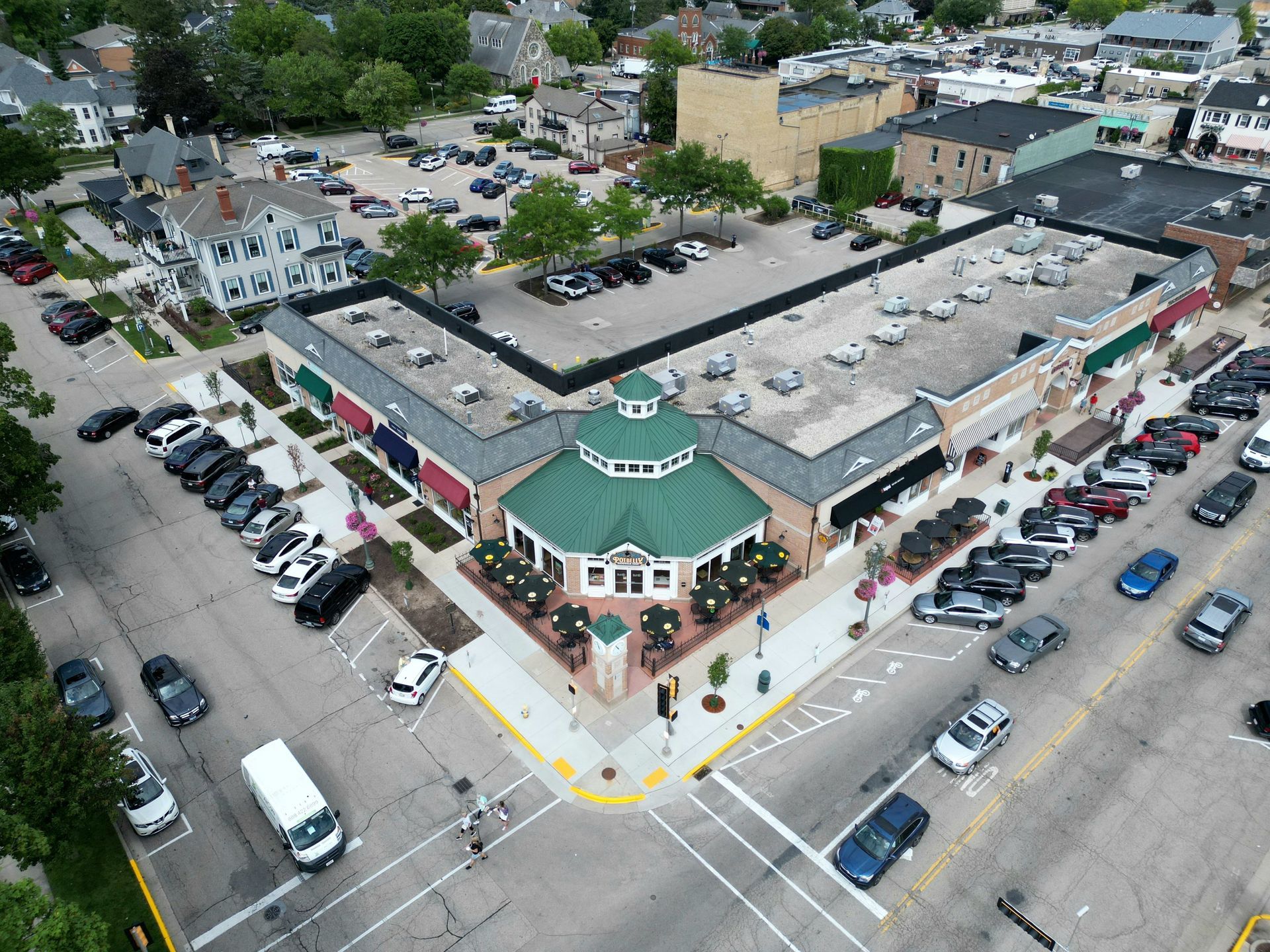
Say an investor buys a small shop building in Wise County, one bay with a storefront and a back door, and leases it to a tenant who runs a business out of it. The investor never sets foot behind the counter. The tenant runs the business, hires the staff and carries the inventory, and the owner just collects rent and owns the walls.
That owner usually needs lessor's risk only coverage, a policy written for the building and the owner's liability as the landlord, not for the business inside. It is built differently from the business owner's policy (BOP) that the tenant may carry, and the lease decides who insures what. If you want the foundation first, see how a business owner's policy is built, then come back to the lease. Getting the two to match is the whole job.
What lessor's risk only generally covers
Lessor's risk only, often shortened to LRO, is a commercial property and liability arrangement for an owner who leases a building to others. In general terms it insures the building itself against covered causes of loss such as fire and wind, and it carries liability coverage for the owner's responsibilities as the person who owns the premises. If a customer trips on a broken curb at the front door, that is the kind of claim it is meant to answer.
The details depend on the carrier and on what the tenant does. Some carriers decline or restrict certain occupancies, such as restaurants or auto repair, because the hazard in the building is higher. Ask which tenant types are acceptable before you sign a lease, since the answer can narrow who you can rent to.
What it leaves to the tenant
LRO is not designed to insure the tenant's business. The tenant's inventory, equipment, furniture and supplies are the tenant's to insure. So is the tenant's own operations liability, meaning claims that come from how they run the business. Employees, customers and vehicles tied to the operation are theirs as well.
Improvements the tenant makes, such as built-in counters, flooring or a build-out of the interior, fall in a gray area. Whether the owner or the tenant insures those is usually decided by the lease. If the lease is silent, neither side may realize the improvements are uninsured until after a loss.
Whichever side insures the building, the limit has to track real rebuild cost, and that is where
the coinsurance penalty on building values comes in. It is worth knowing before you set the limit, not after a claim.
Why the lease and the insurance have to match
The lease is the document that decides who insures what, and your insurance should be built to match it. A lease might require the tenant to carry liability limits, name the owner as an additional insured (a party added to the tenant's policy so the owner has protection under it) and send a certificate of insurance each year. Those requirements only work if someone actually collects and checks the paperwork.
The reverse happens too. A lease that makes the owner responsible for the building but quietly expects the tenant to carry the building coverage leaves a hole when each side assumes the other has it. Have your attorney review the lease language, and then give your agent a copy so the policy can follow it.
Triple net and other lease structures
In a triple net lease, the tenant pays the property taxes, building insurance and maintenance in addition to rent. In a gross lease, the owner pays those costs out of the rent. Many leases land somewhere in between. Each structure moves the cost of insurance around, but it rarely removes the owner's need to understand what is covered.
Even under a triple net lease, the building still has to be insured, and the owner usually wants to be named on the policy so the owner controls it. If the tenant arranges the building coverage and later lets it lapse, the owner may not find out until the loss happens. Many owners carry the building policy themselves and pass the cost through to the tenant according to the lease.
Gaps that catch building owners
Four items show up again and again in files like this. Ask about each one by name.
Loss of rental income. If a covered loss makes the building unusable, rent can stop while repairs are underway. Ask whether the policy includes rental value coverage and how long it pays.
Vacancy between tenants. Commercial policies often limit coverage for some losses once a building has been vacant for a stretch. If you expect a gap between tenants, ask how the policy defines vacant and what changes.
Ordinance or law. When a damaged building is rebuilt, current codes may require upgrades that the old building never had. Ordinance or law coverage helps pay for that extra work, and it is not always included automatically.
Coinsurance on building values. A coinsurance clause requires you to insure the building to a stated percentage of its value, or the claim payment shrinks. Building costs in North Texas move quickly, which catches owners who set a limit years ago and never revisited it.
How this differs from a BOP and from a landlord form
A BOP is built for a business that occupies its own space. It packages liability, property and income coverage around the operation. That is the tool for an owner-operator, which the building owner is not.
A landlord form for a house or duplex, such as a DP-3, is written for residential tenants. A commercial building has different hazards, different tenants and different lease terms, so a residential form is not a substitute. An owner who also runs a business in part of the building may need a hybrid, so say so.
What to bring when you ask for a quote
A carrier will want the building's address, year built, size, construction type and roof age, along with what the tenant does and what the lease requires. Bring a copy of the lease or the key terms, any tenant certificates already on file and a realistic rebuild value for the building, not the purchase price.
TAP Insurance Agency is an independent agency licensed in Texas and Oklahoma, so we can shop several carriers for an LRO structure and tell you plainly when a tenant type narrows the field. When you are ready,
request a commercial property quote and send the lease along with it.
Call
(800) 666-2254 — or text
QUOTE to
(817) 646-6700 · tapinsuretx.com
Educational only; coverages and availability vary by carrier. TAP Insurance Agency, PLLC — Rhome, TX, licensed in Texas and Oklahoma.