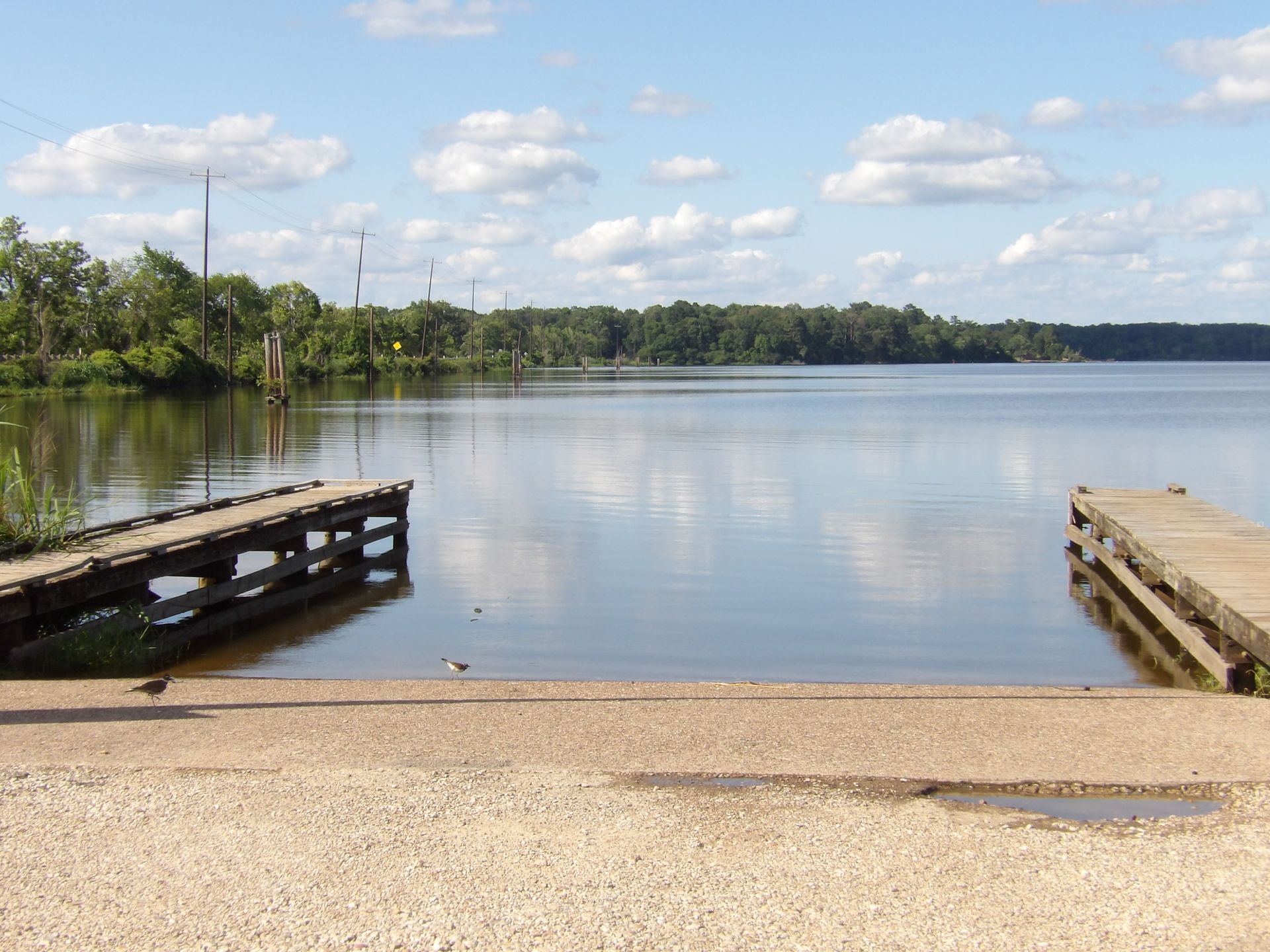
Picture a family in Denton County that owns a small cabin on a lake and rents it out on weekends through a booking site. On a Saturday night, a guest steps off the end of the dock in the dark, hurts a knee and sends the owners a medical bill. The family calls its insurance company expecting help, and learns the policy was written for a home someone lives in, not for strangers paying by the night.
That is the heart of it. Renting a house, cabin or guest house by the night can move the property outside what a homeowners or standard landlord policy was written for. Some policies exclude the use, some allow it with an endorsement (an added form that changes the coverage), and some call for a different policy altogether. The time to find out which one you have is before the first booking, not after the first claim.
Why a nightly guest is not a tenant
A tenant on a twelve-month lease lives in your property. They pay rent, they stay put, and the policy was built around that arrangement. A guest who books two nights is different in ways an underwriter cares about. People come and go, many are unfamiliar with the property, and the place is effectively open for business on a booking calendar.
Insurers often call this transient occupancy, meaning the people inside change every few days. Many also treat regular nightly rental as a business activity, not as a residence. A policy written for a family home or a long-term rental may handle that use differently or not at all, so read the wording on rental and business use instead of assuming it answers.
If you already own long-term rentals, the thinking behind
insuring a Texas rental portfolio is a useful starting point, but nightly hosting adds questions that a lease never raises. Who is on the property, for how long, and under whose rules are all different when the calendar turns over every weekend.
What a homeowners policy may do with rental use
A homeowners policy is priced for an owner who lives in the house. When part or all of the property is rented out regularly, a carrier may limit coverage, exclude certain claims or require the use to be disclosed. A guest house behind your own home that you rent a few times a year can get a different answer than a lake cabin booked most weekends that you rarely visit yourself.
A host who assumes the homeowners policy quietly covers everything lands in
the same gap a home-based business runs into, where business use is excluded and the owner finds out at claim time. How you use the property matters as much as the form: how many nights a year it is rented, whether you stay there and whether it is your primary home. Tell your agent first, and ask for the answer in writing.
Where a landlord policy falls short for nightly guests
Landlord policies, often a DP-3 dwelling form, are built for properties with long-term tenants. They sit closer to the right product than a homeowners policy, but they tend to assume a lease, a tenant who carries renters insurance and a tenant who is responsible for their own belongings. Nightly guests bring none of that. Nobody signed a lease, nobody insured the contents, and the furnishings are yours to replace.
Some carriers offer a short-term rental endorsement on a homeowners or landlord policy, and some write dedicated short-term rental policies. Availability varies by carrier and by property, and a lake property with a dock, pool, hot tub or fire pit may draw extra questions. A policy that suits a duplex on annual leases is not automatically the right fit for a cabin booked weekend to weekend.
Why platform host protection is not your policy
Booking sites advertise host protection, and it can be a useful extra. It is not the same as your own insurance policy. It has its own terms, conditions and exclusions, and it may sit behind or alongside your policy instead of in place of it. Read what it says about guest injury, damage to the property, your own belongings and what it expects you to carry first. Treat platform protection as a bonus on top of the coverage you carry, not as a reason to skip the conversation with your agent. If the platform points to your policy and your policy points back to the platform, the gap lands on you.
The gaps to ask about before the first booking
Guest injury. Liability coverage responds when a guest says you were responsible for their injury, but only if the policy accepts the rental use. Docks, stairs, railings and fire pits are the usual places hosts get hurt. Ask whether the liability limit applies to paying guests.
Theft by guests. Missing televisions, linens and small appliances are a common complaint after a rowdy weekend. Many policies limit coverage for theft by someone you allowed inside, so ask about it directly.
Furnishings and contents. A landlord policy usually insures the building, not what you put in it. If you furnished the cabin, ask how those contents are covered and whether they are paid at replacement cost or at actual cash value, which subtracts depreciation.
Loss of income. If a covered loss closes the property for repairs, ask whether the policy pays the rent you would have collected and how it measures nightly income when there is no fixed lease payment.
Vacancy between bookings. A cabin that sits empty for weeks may trigger vacancy conditions, which can limit coverage for certain losses. Ask how the policy defines vacant and unoccupied, and whether a furnished property between guests counts.
What to tell your agent before you list
Bring a short list of facts. Say that the property will be rented by the night, roughly how many nights a year you expect it to be booked and whether you stay there yourself. Say who cleans between guests and who holds keys or lockbox codes, because everyone with access is part of the picture.
Also say how the property is owned. If it sits in an LLC, the name on the policy and the owner on the deed need to line up, and liability that was set up for a personal residence may need a different structure. Mention the dock, pool, hot tub or boat ramp, because carriers often ask.
Finally, confirm the rules that sit outside insurance. Cities, lake communities and HOAs can regulate or prohibit short-term rentals, and those rules change, so check with your city and your HOA directly before you list. This article does not tell you what they allow.
When you are ready to see what the market offers,
ask for a home or rental property quote and mention the nightly rental use up front. TAP Insurance Agency is an independent agency that shops several carriers in Texas and Oklahoma, so we can look for markets that accept short-term rental use and tell you plainly when one does not.
Call
(800) 666-2254 — or text
QUOTE to
(817) 646-6700 · tapinsuretx.com
Educational only; coverages and availability vary by carrier. TAP Insurance Agency, PLLC — Rhome, TX, licensed in Texas and Oklahoma.