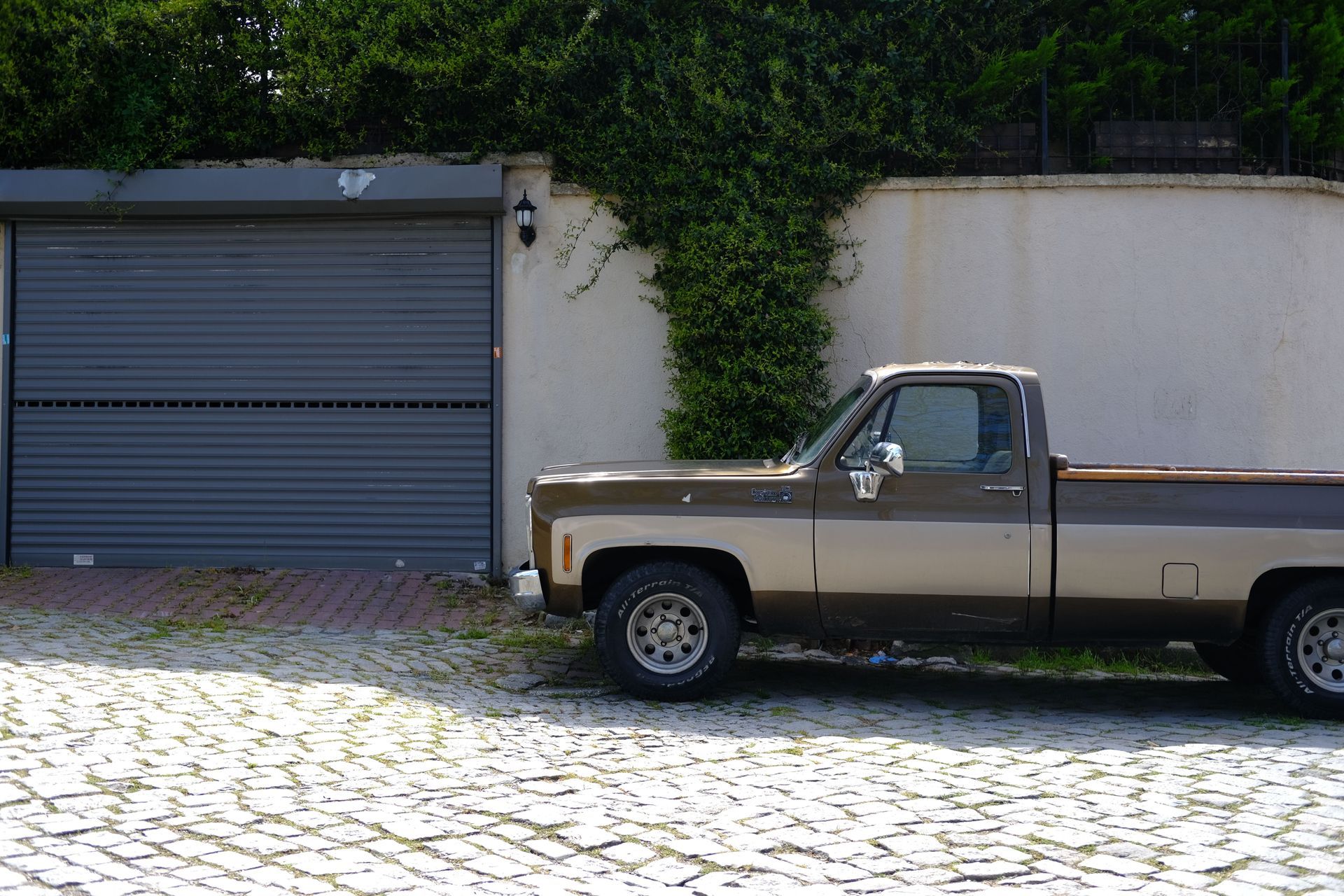
Say a young man in Rhome lets his buddy borrow his pickup for a Saturday trip up 287 to a lake near Bridgeport. Partway there, the buddy rear-ends a car at a light and the truck is badly damaged. The owner assumed his friend's insurance would handle it, and now he is staring at a phone call he did not expect. Neighbors lend vehicles every day around here, and most trips go fine, so it helps to know how this works before it matters.
In Texas, auto insurance generally follows the car, not the driver. So when you lend your car and it is wrecked, your policy and your deductible, the amount you pay before coverage kicks in, are usually first in line. The claim also goes on your history, not your friend's.
Insurance follows the car first
Think of your policy as a blanket thrown over the car. Whoever is behind the wheel with your okay is usually under that blanket, to the extent your policy's terms allow. The policy lists you and your household, but it is written around the vehicle itself. That is why a spare set of keys in a friend's pocket can matter more than the friend's own paperwork.
That idea gets tested in odd situations. Take
a vehicle that mostly sits, like a second truck parked beside a barn near Alvord that a nephew drives on weekends. Occasional drivers like that raise their own questions about who is really using it and whether they should be listed. A truck that moves a few times a month is still your truck on your policy, and the same rules apply when someone else drives it.
What permissive use actually means
Permissive use means you gave someone permission to drive your car, either expressly, like handing over the keys and saying go ahead, or by habit, because they have borrowed it before and you never objected. Most policies extend coverage to permissive drivers, within the policy's limits and exclusions. It is a feature of how the policy treats the car, not the person.
Permission by habit is the part people forget. If your cousin has used your truck every other weekend for a year, a carrier may see that as a regular arrangement instead of a one-time favor. Policies and carriers vary, so the safest move is to ask before it comes up in a claim. A two-minute call to your agent is easier than sorting it out after a wreck.
The claim lands on your policy, not theirs
When a borrowed car is in a wreck, your carrier usually handles the claim first. That means the deductible is yours to pay, and any repair or total-loss payment flows through your policy. If the other driver was at fault, your carrier may pursue that person, but you still carry the first round of hassle.
Here is the part that surprises people. The claim
stays on your insurance record for years, even though you were not driving, and carriers may look at that history when you renew or shop for new coverage. A friend's one bad afternoon can show up in how companies view you. Even a small claim you thought was settled can come back up when you shop for coverage.
When the borrower's own insurance helps
A borrower's own auto policy can act as secondary or excess coverage, meaning it may help after your policy's limits are used up. For example, if the damage to the other party is more than your liability limit, your friend's policy might pick up some of the rest. Whether it does depends on the wording of their policy, so do not count on it.
It rarely replaces your coverage, though, and it usually does not fix your own car or your deductible. Before lending, a quick text asking whether your friend carries their own insurance is a reasonable habit. It will not change who goes first, but it can matter if the claim is bigger than expected. Ask for their carrier and policy number too, just in case.
Who should not get the keys
Some situations call for a polite no, and four of them are worth keeping in mind. Lending to the wrong person can put your coverage and your finances at risk. Handing a car to someone you know should not be driving can also create a liability risk called negligent entrustment.
Excluded drivers. An exclusion is a named person on your policy who is not covered when driving your car. If someone is excluded, a claim while they drive may not be paid at all.
Unlicensed drivers. A person without a valid license may be driving outside what your policy allows. That can turn a simple fender bender into a serious problem for you.
Paid-work drivers. Using a car for rideshare or delivery is a different use, and a different use usually needs a different policy. A personal policy may not respond if a friend is picking up fares or food orders in your car.
Regular drivers. If someone borrows the car so often that they are really a household driver, you are no longer just lending it. That leads to the last point. Think of it as the line between a favor and a standing arrangement.
Regular drivers belong on the policy
Regular users and members of your household, such as a spouse, a teenager who drives or a roommate who uses the truck, generally need to be listed on the policy. Failing to list them can cause problems at claim time, including questions about why the carrier was never told. Adding a driver is a routine request, and it is much easier to do before something happens.
If a person drives your car more than once in a while, that is a good sign it is time to list them or at least ask about it. A relative staying for a season, a grown child back at home or a friend who shares your driveway can all fall into this group. Telling your agent is free, and it can save you a headache later. Drivers can be added, removed or excluded as life changes, so the policy can keep up with who really uses the car.
If you are not sure who in your life counts as a regular driver, we are glad to talk it through, no pressure, and
review your auto coverage with you in plain English. Bring the names of the people who borrow your vehicle and we will go from there.
TAP Insurance Agency is an independent agency that shops multiple carriers, so we can compare how different companies handle drivers and borrowers. Rules vary by carrier, and this is general education, not legal advice.
Call
(800) 666-2254 — or text
QUOTE to
(817) 646-6700 · tapinsuretx.com
Educational only; coverages and availability vary by carrier. TAP Insurance Agency, PLLC — Rhome, TX, licensed in Texas and Oklahoma.